
Cottagecore Nursery Ideas: Cozy Designs

Many new parents step into the world of nursery design only to feel swamped by options that seem too shiny and stark. These setups often lack the gentle embrace needed for those quiet moments with a newborn, leaving families searching for something softer and more connected to simpler times. The challenge lies in crafting a room that feels safe, stimulating, and full of heart without falling into trends that fade quickly.
That’s where a cottagecore nursery shines as the perfect fix. This style pulls from countryside vibes, mixing old-fashioned charm with nature-inspired details to build a snug spot that soothes both baby and parents. A cottagecore nursery invites calm through its earthy tones and handmade elements, turning everyday routines like feeding or storytime into cherished rituals.
What Is the Cottagecore Aesthetic?
At its core, cottagecore celebrates a return to rural simplicity, drawing people toward images of blooming gardens, cozy cottages, and handmade crafts. It’s about embracing a slower pace, where life’s joys come from baking bread or tending plants rather than rushing through the day. This look has captured hearts worldwide for its ability to create peaceful retreats in busy modern homes.
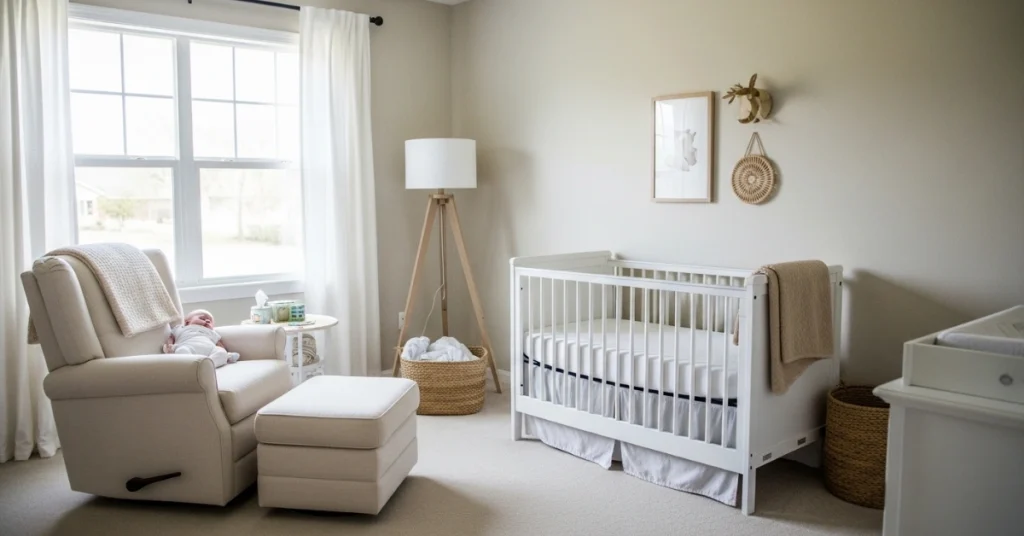
Origins and Evolution of Cottagecore
The term “cottagecore” first popped up on Tumblr in 2018, rooted in idealized views of European countryside living. It gained steam during the late 2010s, especially as people sought escape during global lockdowns, turning to online communities for comfort. But its ideas stretch back further – think Romantic era poets from the 1800s who romanticized nature and simple folk life. Over time, it evolved from a niche online trend into a broader lifestyle choice, influencing fashion, home decor, and even parenting spaces like nurseries.

What makes cottagecore timeless is its focus on authenticity. Unlike fleeting fads, it encourages using heirloom pieces or thrifted finds that tell stories. In a nursery setting, this means building a room that feels lived-in from day one, fostering a sense of security for your little one.
Key Elements That Define Cottagecore Style
Cottagecore thrives on natural materials like wood, linen, and wicker, paired with soft patterns such as florals or gingham. Colors lean toward muted greens, creamy whites, and warm beiges, evoking meadows and forests. Add in touches like dried flowers or vintage books, and you have a space that whispers of enchantment.

This aesthetic isn’t just visual – it’s sensory. Imagine the feel of a wool rug underfoot or the scent of lavender from a sachet. For a cottagecore nursery, these details create an immersive world that sparks a baby’s curiosity while keeping things practical for parents.
Why Opt for a Cottagecore Nursery?
Choosing a cottagecore nursery goes beyond looks; it’s about nurturing a gentle start to life. In a world full of screens and noise, this style offers a quiet counterpoint, helping babies feel grounded from the beginning. Parents often report that such rooms make bedtime routines smoother, as the calming atmosphere eases transitions.
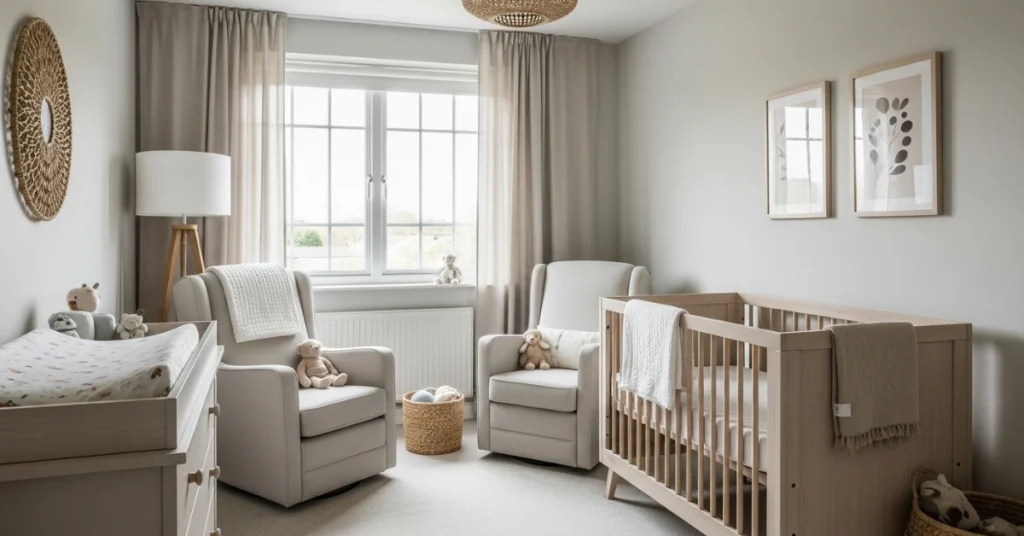
Moreover, cottagecore aligns with sustainable living. By favoring secondhand items or natural fabrics, you’re reducing waste and teaching early lessons in caring for the planet. It’s a choice that grows with your child, adapting from infant naps to toddler play without major overhauls.
Benefits for Baby’s Development and Well-Being
A cottagecore nursery supports sensory growth through textured fabrics and nature motifs that encourage exploration. Soft lighting and earthy hues can promote better sleep patterns, as they mimic natural daylight cycles. Studies on child environments suggest that warm, organic spaces help reduce stress, allowing babies to thrive emotionally.

From a practical angle, these designs often include multifunctional pieces like storage baskets that double as toys. This setup fosters independence as kids learn to tidy up in a fun way.
How It Fits Modern Family Lifestyles
Even in urban apartments, a cottagecore nursery brings the outdoors in through potted plants or wall murals. It’s flexible for small spaces, using vertical storage like shelves for books and decor. Families juggling work and home life appreciate how this style turns the nursery into a multi-use haven for reading or quiet play.

One real-world example comes from a city-dwelling couple I know who transformed their tiny spare room. By adding a woven rug and floral curtains, they created a cozy nook that felt worlds away from the bustling streets outside.
Essential Elements of a Cottagecore Nursery
Building a cottagecore nursery starts with layering basics that evoke rustic charm. Focus on pieces that blend function with fantasy, ensuring the room feels both playful and peaceful. Start small – a few key items can set the tone without overwhelming the space.
Choosing the Right Color Palette
Opt for soft, nature-inspired shades like sage green, butter yellow, and pale pink to mimic a garden in bloom. These hues create a serene backdrop that’s easy on tiny eyes. Avoid bold primaries; instead, layer in neutrals for depth.

For walls, consider a subtle wallpaper with wildflower prints or a hand-painted mural of rolling hills. This sets a whimsical foundation that ties everything together naturally.
Furniture Selections for Rustic Charm
A vintage-style crib in natural wood anchors the room, offering sturdy safety with a nod to old-world craftsmanship. Pair it with a rocking chair upholstered in floral fabric for those late-night feeds. Look for pieces with gentle curves and distressed finishes to enhance the cottage feel.

Don’t forget storage – open shelves or a dresser with woven drawers keep essentials handy while adding texture. In one project, swapping a modern changing table for a repurposed antique bureau brought instant warmth.
Textiles and Fabrics That Add Coziness
Linen curtains in light patterns filter sunlight softly, creating a dreamy glow. Layer quilts or throws with gingham checks for crib bedding, ensuring they’re breathable and safe. Rugs made from jute or wool provide underfoot comfort and define play areas.

Choose organic cotton sheets for their softness and eco-friendliness. These materials not only look inviting but also stand up to daily use.
Lighting Options for a Warm Glow
String lights draped like fairy vines add magic without harsh brightness. A table lamp with a fabric shade in muted tones offers focused light for reading. Wall sconces resembling lanterns evoke countryside evenings.

As interior designer Sarah Thompson notes, “In a cottagecore nursery, lighting should feel like sunlight through leaves – gentle and inviting.” This approach helps regulate sleep by avoiding overhead glare.
Wall Decor and Accents
Hang framed botanical prints or dried flower wreaths for natural artistry. A gallery wall of vintage illustrations tells stories at eye level for babies. Mirrors with ornate frames reflect light and expand the space.
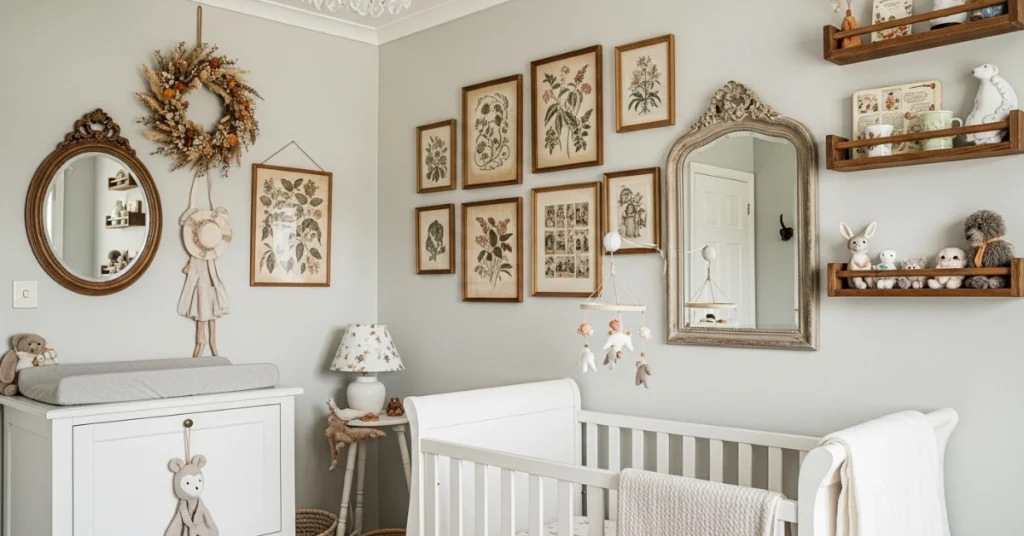
Incorporate shelves for displaying cherished items like porcelain animals or handmade mobiles. These touches personalize the cottagecore nursery, making it uniquely yours.
Flooring Choices for Comfort and Durability
Hardwood floors with a vintage rug offer warmth and easy cleaning. If budget allows, add underlay for extra cushioning during tummy time. Avoid wall-to-wall carpet; it traps dust.

For a true cottage vibe, consider painted floorboards in soft white, topped with a patterned runner. This setup balances style with practicality for growing families.
DIY Projects for Your Cottagecore Nursery
Getting hands-on with DIY adds heart to a cottagecore nursery. These projects let you infuse personal stories, like crafting a mobile from found branches. They’re budget-savvy ways to build a space that feels custom-made.

Simple Handmade Decor Ideas
Create a wall hanging from fabric scraps in floral designs, sewn into a banner. Paint wooden crates for storage, stenciling on leaf motifs. These small efforts yield big charm.
One easy win: Assemble a nature-inspired mobile with feathers and twigs. Hang it above the crib for gentle movement that captivates without overstimulating.
Upcycling Vintage Finds
Turn an old ladder into a blanket rack by sanding and painting it in earthy tones. Repurpose jars as vases for fresh blooms on shelves. Thrift stores are goldmines for such treasures.
In a friend’s cottagecore nursery, an upcycled side table became a changing station, blending function with faded elegance.
Custom Wall Art and Murals
Hand-paint a meadow scene on one wall using water-based paints for safety. If painting isn’t your strength, use removable decals of forests or animals. This creates a focal point that sparks imagination.
Designer tip from Emily Hart: “Murals in a cottagecore nursery should whisper tales of adventure, drawing babies into a world of wonder.”
Budget-Friendly Tips for Building a Cottagecore Nursery
You don’t need a fortune to achieve cottagecore magic. Start by hunting thrift shops for furniture that can be refreshed with a coat of paint. Mix high and low – splurge on a quality crib, save on decor.

Shop sales for fabrics and layer affordable pillows for coziness. Grow your own plants from cuttings to add greenery without cost.
Sourcing Affordable Materials
Online marketplaces like Etsy offer handmade items at reasonable prices, from quilts to prints. Local farms might sell woven baskets cheaply. Focus on timeless pieces that last.
Mixing High and Low-End Pieces
Pair a designer lamp with DIY shelves for balance. This keeps the cottagecore nursery elegant yet accessible.
Seasonal Updates on a Dime
Swap florals for autumn leaves in fall, using nature’s free decor. Refresh curtains with inexpensive clips for variety.
Safety First in Your Cottagecore Nursery
While charm is key, safety rules in any nursery. Anchor all furniture to walls to prevent tipping as babies pull up. Use cordless blinds or secure cords high out of reach.

Choose a firm mattress that fits snugly in the crib, with no gaps. Skip pillows and blankets until baby is older to reduce risks.
Essential Safety Features
Install smoke and carbon monoxide detectors near the room. Use baby gates at doors for containment. Opt for non-toxic paints and finishes.
Common Pitfalls to Avoid
Don’t place cribs near windows or heaters. Avoid heavy shelves above sleep areas. Regularly check for loose parts.
Integrating Safety with Style
Hide outlets with decorative covers that match the theme. Choose rounded furniture edges for bump protection. This way, your cottagecore nursery stays beautiful and secure.
Real-Life Cottagecore Nursery Examples
Seeing actual setups sparks ideas. One woodland-themed cottagecore nursery featured a tree mural and animal mobiles, creating a forest hideaway. Parents loved how it evolved into a play space.
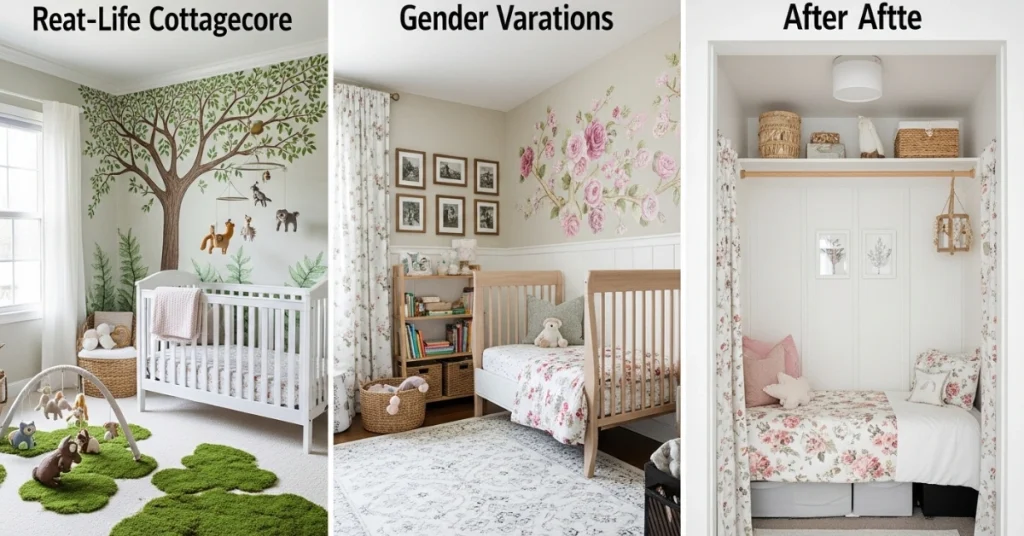
Another used pink florals and gold accents for a girl, with vintage photos on walls. It felt like a storybook come alive.
Gender-Neutral Designs
Mix greens and neutrals for versatility. Add baskets and books for a library nook that’s inclusive.
Themed Variations Like Woodland or Floral
A woodland cottagecore nursery might include mossy rugs and owl decor. Floral versions layer patterns on bedding and curtains.
Before-and-After Transformations
From bland boxes to enchanting retreats, simple changes like board-and-batten walls make huge impacts. One transformation I saw turned a spare closet into a mini cottage with clever storage.
Maintaining Your Cottagecore Nursery Over Time
Keep the space fresh by rotating decor seasonally – fresh herbs in spring, cozy knits in winter. Clean fabrics regularly to maintain hygiene. As baby grows, adapt by adding low shelves for toys.
This evergreen approach ensures the cottagecore nursery remains a beloved spot through childhood stages.
Conclusion:
A cottagecore nursery is more than a beautifully designed room—it’s a heartfelt space that wraps your baby in warmth, wonder, and timeless charm. By weaving together natural materials, soft colors, and vintage-inspired touches, you create a nurturing haven that fosters calm and sparks imagination for both you and your little one. This style’s blend of rustic simplicity and eco-conscious choices ensures it remains a beloved retreat as your child grows, adapting effortlessly from newborn naps to toddler adventures.


