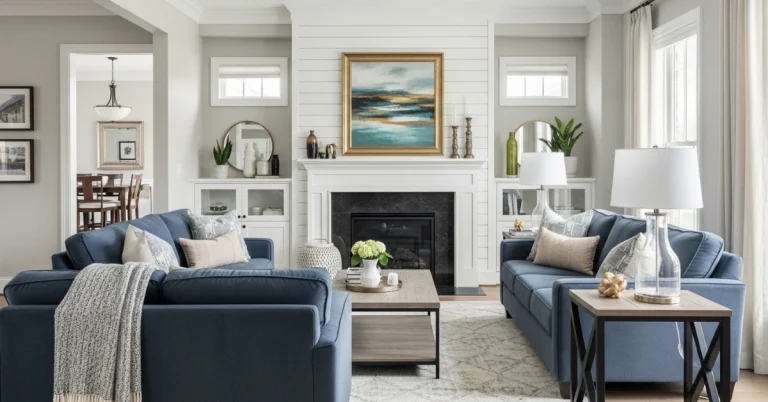
Minimal Decorating: Tips for Serene Spaces

Living in a home packed with too many items can feel exhausting. Every corner filled with knick-knacks or unused furniture might make you tense, turning what should be a relaxing spot into a source of frustration. Many folks struggle with this, especially when daily life already brings enough pressure.
Minimal decorating steps in to fix that by stripping away the extras and highlighting what truly counts. This approach helps craft rooms that breathe easy, promoting a sense of peace and order. With a few smart changes, you can turn your place into a haven that supports your well-being.
What Is Minimal Decorating?
Minimal decorating means designing spaces with purpose, using fewer elements to achieve more impact. It’s about choosing items that serve a function or bring joy, without overwhelming the room. At its core, this style values open areas, clean lines, and a focus on quality over quantity.

People often mix it up with stark emptiness, but that’s not the case. True minimal decorating creates warmth through thoughtful selections, like a soft throw or a single piece of art. It draws from the idea that less clutter leads to clearer minds.
This style fits anyone tired of constant upkeep. By keeping things simple, you spend less time cleaning and more time enjoying your home. It’s a practical way to live that adapts to different tastes, from modern to cozy.
The History Behind Minimal Decorating
Minimal decorating didn’t just appear out of nowhere; it has roots going back centuries. Early influences came from Eastern philosophies, like Zen Buddhism, which emphasized simplicity and harmony. These ideas focused on creating spaces free from distraction to foster inner peace.

In the West, the movement gained traction in the 1960s and 1970s through the Minimal Art scene in New York. Artists like Donald Judd and Dan Flavin used basic shapes and materials, influencing how people thought about interiors. This era shifted design toward geometric forms and neutral tones, moving away from ornate styles.
By the late 20th century, architects and designers embraced it fully. Figures like Ludwig Mies van der Rohe with his “less is more” mantra helped popularize clean lines in buildings and homes. Today, minimal decorating blends these historical elements with modern needs, making it timeless.
One key turning point was post-World War II, when societies sought rebuilding with efficiency. The minimalist art movement mirrored this, promoting interiors that felt fresh and unburdened. It’s evolved, but the essence remains: simplicity as a path to better living.
Benefits of Embracing Minimal Decorating
Switching to minimal decorating brings several upsides that go beyond looks. For starters, it can lower stress levels by reducing visual noise in your environment. A tidy space often leads to a calmer mind, helping you unwind after a long day.

Another plus is easier maintenance. With fewer items around, dusting and organizing take less effort, freeing up your time for hobbies or family. This practicality makes it ideal for busy households.
It also supports better focus and productivity. Clear surfaces mean fewer distractions, whether you’re working from home or just reading a book. Many find their creativity sparks in such settings.
On the eco side, minimal decorating encourages thoughtful purchases, often leading to less waste. Choosing durable pieces over trendy ones helps the planet while saving money long-term.
Finally, it can make small spaces feel larger. Open layouts and light colors create an illusion of roominess, perfect for apartments or cozy houses. These benefits add up to a more enjoyable daily life.
How to Get Started with Minimal Decorating
Beginning minimal decorating might seem daunting, but break it down into steps. First, assess your current setup. Walk through each room and note what feels unnecessary or chaotic.

Start small by decluttering one area, like a shelf or drawer. Ask if each item adds value—if not, let it go. This process builds momentum without overwhelming you.
Set clear goals for your space. Decide on a color scheme or key pieces that align with minimal decorating principles. Neutral tones often work best to keep things versatile.
Involve your family if you share the home. Discuss what everyone needs, ensuring the changes suit all. This makes the transition smoother and more inclusive.
Track your progress with before-and-after photos. Seeing the difference motivates you to continue. Remember, minimal decorating is about ongoing choices, not perfection.
Decluttering Strategies for Success
Effective decluttering is key to minimal decorating. Use the one-year rule: if you haven’t used something in 12 months, consider parting with it.

Sort items into keep, donate, and trash piles. Be honest about sentimental attachments—photos can preserve memories without keeping the object.
For clothes, try the hanger trick. Turn all hangers backward, then flip them as you wear items. After a season, donate the untouched ones.
In the kitchen, focus on multipurpose tools. A good knife set might replace gadgets you rarely use, freeing up space.
Regularly review your belongings. Set a monthly check-in to maintain the minimal decorating vibe and prevent buildup.
Choosing Essential Items
When selecting pieces for minimal decorating, prioritize function. Look for furniture that serves multiple roles, like a coffee table with storage.

Quality matters over quantity. Invest in well-made items that last, reducing the need for replacements.
Consider scale. In smaller rooms, opt for sleek designs that don’t dominate the space.
Test items in your home if possible. Some stores allow trials, helping you see if it fits your minimal decorating plan.
Build slowly. Add one piece at a time, ensuring it enhances the overall calm.
Color Palettes in Minimal Decorating
Colors play a big role in minimal decorating. Stick to neutrals like whites, grays, and beiges for a soothing base. These shades reflect light, making rooms brighter.

Add subtle accents for interest. A soft blue or green can bring life without cluttering the visual field.
Avoid bold patterns. Solid colors or faint textures keep the focus on simplicity.
Layer tones within the same family. Different shades of gray create depth while maintaining unity.
Natural wood or stone elements complement these palettes, adding warmth to minimal decorating schemes.
Popular Neutral Schemes
A classic white-on-white setup offers timeless appeal in minimal decorating. It maximizes light and feels expansive.

Gray scales provide sophistication. Mix light and dark grays for contrast without overwhelm.
Earth tones like taupe blend indoor and outdoor vibes, grounding the space.
Black accents in small doses add drama. Use them sparingly to punctuate neutrals.
Experiment with off-whites. Creams or ivories soften starkness for a cozier feel.
Furniture Choices for Minimal Decorating
Furniture in minimal decorating should be streamlined and purposeful. Choose pieces with clean lines and hidden storage to keep surfaces clear.

Modular sofas allow flexibility. Rearrange them as needed without buying new items.
Opt for elevated designs. Legs that lift furniture off the floor create a sense of openness.
Materials like metal or glass reflect light, enhancing spaciousness.
Scale to your room size. Oversized items can crowd, while too small feels lost.
Multi-Functional Pieces
Ottomans with storage hide blankets or books, supporting minimal decorating.

Wall-mounted desks save floor space in home offices.
Beds with drawers underneath store linens neatly.
Extendable tables adapt to guests without constant bulk.
These choices maximize utility in limited areas.
Lighting Ideas to Enhance Minimal Decorating
Good lighting transforms minimal decorating. Natural light is best—keep windows uncovered or use sheer curtains.

Layer sources: ambient, task, and accent. This creates mood without adding clutter.
Recessed fixtures blend into ceilings, maintaining clean lines.
Floor lamps with slim profiles add height and focus.
Dimmers allow control, shifting from bright to cozy.
Natural vs. Artificial Light
Maximize sunlight with mirrors to bounce it around.

LED bulbs mimic daylight for even illumination.
Avoid harsh fluorescents; opt for warm tones.
Skylights bring in overhead light, ideal for minimal decorating.
Combine both for all-day usability.
Accessories in Minimal Decorating
Accessories should be few but meaningful in minimal decorating. Select one or two standout pieces per room.

Plants add life subtly. Choose low-maintenance varieties like succulents.
Textiles like rugs or pillows introduce texture without excess.
Art on walls draws the eye upward, keeping floors clear.
Rotate items seasonally to refresh without accumulating.
Thoughtful Selection Tips
Pick items with personal stories. A family heirloom holds more value than trends.

Ensure scale fits. Large vases suit big tables, small ones for shelves.
Group similar objects for impact, like three candles together.
Avoid themes; mix for eclectic yet minimal feel.
Assess regularly if they still spark joy.
Room-by-Room Minimal Decorating Ideas
Apply minimal decorating room by room for cohesive results. Start with high-traffic areas to see quick wins.
Each space has unique needs, but principles remain the same: simplify and functionalize.
Adapt ideas to your lifestyle, whether solo or with kids.
These examples provide starting points for inspiration.
Living Room Transformations
In the living room, focus on seating and flow. A simple sofa and chair suffice, arranged for conversation.

Clear coffee tables except for a book or coaster set.
Wall-mounted TV saves space, with cables hidden.
Add a rug to define the area without overwhelming.
Plants in corners soften edges naturally.
Bedroom Serenity
Bedrooms thrive on minimal decorating for better sleep. A low bed frame keeps sightlines open.

Nightstands with drawers hide essentials.
Soft lighting from sconces reduces clutter.
Limit pillows to what’s needed for comfort.
Closets organized with dividers maintain order.
Kitchen Efficiency
Kitchens benefit from clear counters in minimal decorating. Store appliances in cabinets.

Open shelving with uniform jars looks tidy.
Neutral backsplashes reflect light.
Multipurpose islands serve as prep and dining.
Herb pots add green without excess.
Bathroom Simplicity
Bathrooms feel spa-like with minimal decorating. Floating vanities create floor space.

Glass shower doors enhance openness.
Towel racks over hooks for neatness.
Neutral tiles keep it timeless.
Mirrored cabinets combine storage and function.
Home Office Focus
For offices, minimal decorating boosts work. A clean desk with cord management.

Ergonomic chair in neutral fabric.
Wall shelves for books, floor free.
Inspirational art above the desk.
Plants for air quality and calm.
Common Mistakes in Minimal Decorating
Even with good intentions, pitfalls happen in minimal decorating. One is going too bare, making spaces feel cold.
Balance is key—add warmth with textures like wool or wood.
Another error: ignoring function. Pretty but impractical items defeat the purpose.
Rushing the process leads to regrets. Take time to live with changes.
Forgetting maintenance. Dust accumulates; regular care keeps it fresh.
Overlooking personal touch. Make it yours, not generic.
Expert Insights on Minimal Decorating
Designers often share wisdom on minimal decorating. “Simplicity involves unburdening your life, and living more lightly with fewer distractions,” notes one expert. This highlights the mental freedom it brings.
Another tip: “Minimalism isn’t about removing things you love. It’s about removing the things that distract you from the things you love.” Focus on what matters.
Jony Ive once said, “There is a profound and enduring beauty in simplicity, in clarity, in efficiency.” This applies to homes too.
Interior pros suggest starting with walls: “Put art on walls, but keep horizontal surfaces clear.” It prevents clutter buildup.
These insights guide practical application.
Real-World Examples of Minimal Decorating
In my own apartment revamp, minimal decorating made a huge difference. I cleared out extra chairs and knick-knacks, leaving a sofa, table, and lamp. The room felt bigger instantly, and I slept better.
A friend transformed her kitchen by donating duplicate utensils. Now, cooking is quicker, and the space invites gatherings.
In a project I saw, a family home went minimal with built-in storage. Kids’ toys stayed hidden, creating play areas that double as lounges.
These stories show how adaptable it is.
Another example: A small studio used wall-mounted everything. It turned cramped into cozy, proving minimal decorating works anywhere.
Sustaining Minimal Decorating Long-Term
To keep minimal decorating going, build habits. Shop mindfully—ask if new items fit your vision.
Seasonal reviews prevent creep-back of stuff.
Incorporate tech smartly, like hidden chargers.
Share the mindset with housemates for consistency.
Over time, it becomes second nature, enhancing life quality.
Conclusion
Minimal decorating offers a path to simpler, more joyful living spaces. By focusing on essentials, you craft homes that nurture rather than drain. Embrace it for lasting peace.
Ready to begin your minimal decorating adventure? Start with one room today and see the change. Share your experiences in the comments or sign up for our newsletter for more tips!