
Rustic Kitchen Cabinets: Cozy & Timeless Ideas
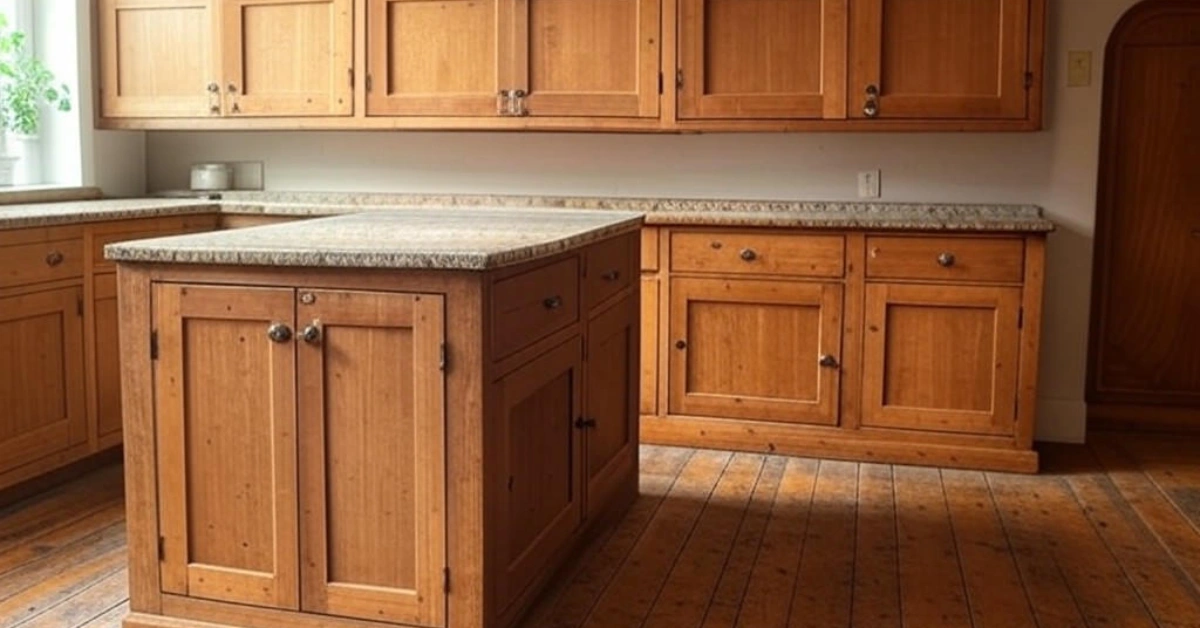
Kitchens are the heart of the home, but many struggle to create a space that feels both functional and inviting. Cold, sterile designs can leave your kitchen feeling lifeless, while cluttered or outdated styles might not reflect your personality or meet your needs. Enter rustic kitchen cabinets—a perfect solution to bring warmth, character, and timeless appeal to your space. By blending natural materials, earthy tones, and thoughtful craftsmanship, rustic cabinets offer a cozy aesthetic that transforms any kitchen into a welcoming haven.
In this guide, we’ll explore everything you need to know about rustic kitchen cabinets, from design inspirations to practical tips for incorporating them into your home. Whether you’re renovating or simply seeking fresh ideas, this article will help you craft a kitchen that’s both stylish and functional, with rustic charm at its core.
What Are Rustic Kitchen Cabinets?
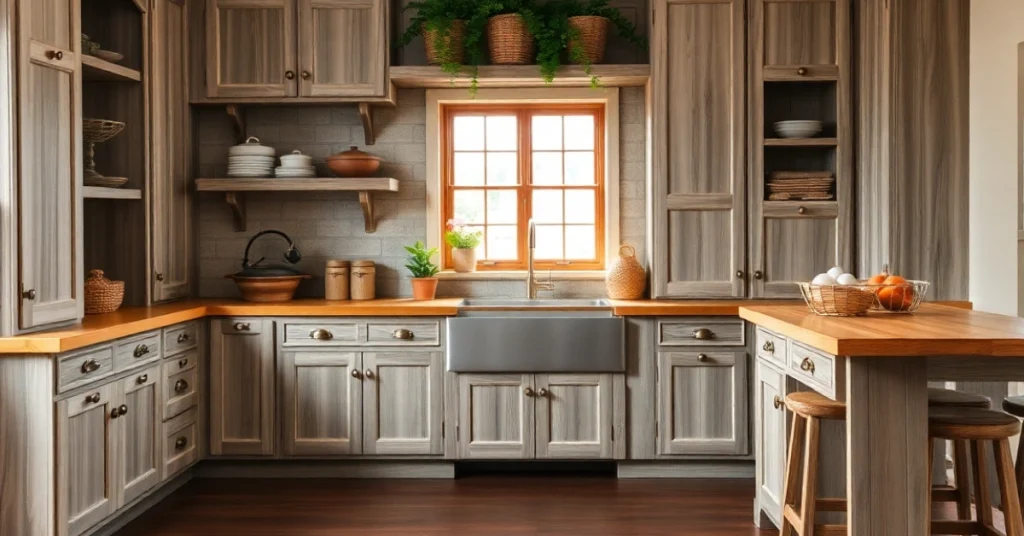
Rustic kitchen cabinets are defined by their natural, unpolished aesthetic that emphasizes warmth and authenticity. Inspired by countryside homes and traditional craftsmanship, these cabinets often feature raw or distressed wood, earthy colors, and simple, sturdy designs. They evoke a sense of nostalgia, blending seamlessly with modern or farmhouse-style kitchens.
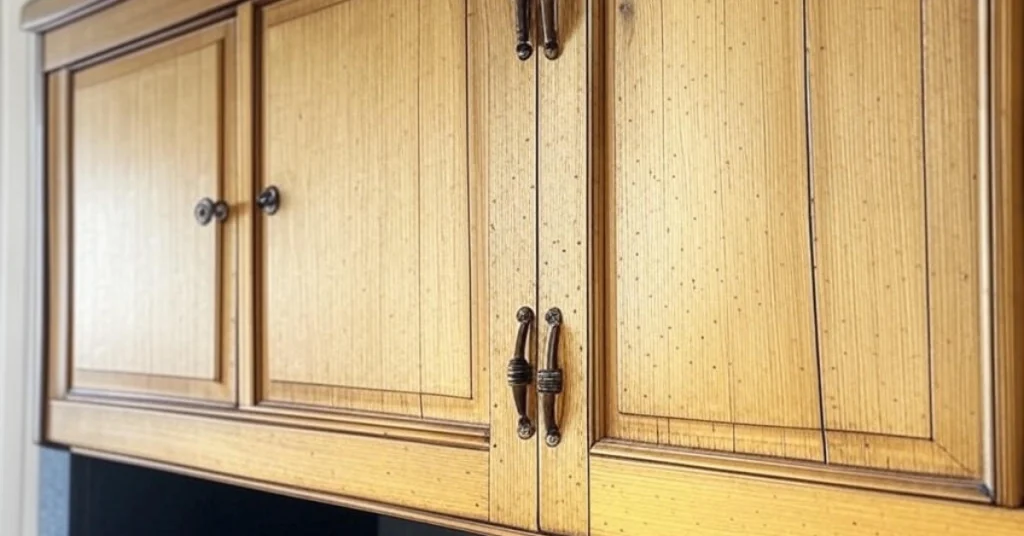
Key Characteristics of Rustic Kitchen Cabinets
- Natural Materials: Wood is the star, with oak, pine, or reclaimed barn wood being popular choices. The grain and texture of the wood are often highlighted rather than hidden.
- Distressed Finishes: Weathered or hand-scraped finishes add character, mimicking the look of well-loved, timeworn furniture.
- Earthy Tones: Think warm browns, soft grays, or muted greens that complement natural surroundings.
- Simple Hardware: Wrought iron, brass, or copper knobs and pulls add a vintage touch without overwhelming the design.
- Open Shelving: Many rustic designs incorporate open shelves to display pottery, glassware, or mason jars, enhancing the homey feel.
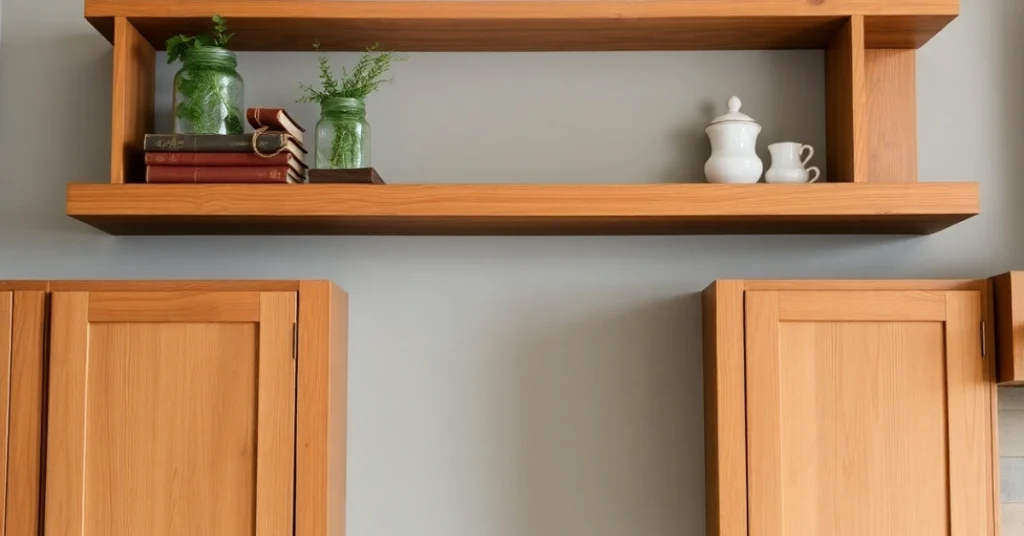
According to a 2023 Houzz report, rustic and farmhouse-style kitchens remain among the top design trends, with 14% of homeowners choosing rustic elements for their renovations. This enduring popularity highlights the timeless appeal of rustic kitchen cabinets.
Why Choose Rustic Kitchen Cabinets for Your Home?
Rustic kitchen cabinets offer more than just aesthetics—they create a lifestyle. Here’s why they’re a fantastic choice for homeowners seeking both style and substance.
Timeless Appeal
Unlike trendy designs that fade quickly, rustic cabinets have a classic charm that stays relevant. Their natural look blends with various styles, from modern to traditional, ensuring your kitchen remains stylish for years.
Warm and Inviting Atmosphere
“Rustic cabinets bring a sense of comfort that makes the kitchen feel like the heart of the home,” says interior designer Sarah Thompson, who specializes in farmhouse aesthetics. The warmth of wood and earthy tones creates a cozy environment perfect for family gatherings or quiet mornings.
Versatility in Design
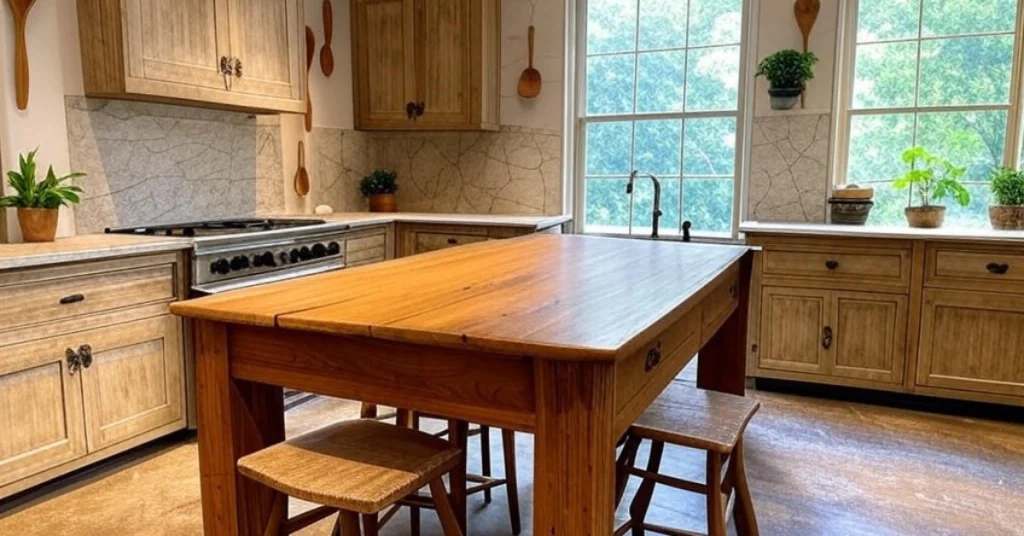
Rustic cabinets can be adapted to suit various budgets and spaces. Whether you opt for custom reclaimed wood cabinets or distressed pre-made ones, they work in small apartments or sprawling country homes.
Eco-Friendly Options
Using reclaimed or sustainably sourced wood aligns with eco-conscious values. Many manufacturers now offer FSC-certified wood, ensuring your rustic kitchen cabinets are as environmentally friendly as they are beautiful.
Types of Rustic Kitchen Cabinets
Rustic kitchen cabinets come in various styles, each offering unique character. Here are the most popular types to inspire your kitchen design.
1. Reclaimed Wood Cabinets
Made from salvaged barn wood or old furniture, these cabinets are eco-friendly and rich in history. Each piece tells a story, with knots, grain patterns, and weathered textures adding authenticity. They’re ideal for homeowners who want a one-of-a-kind look.
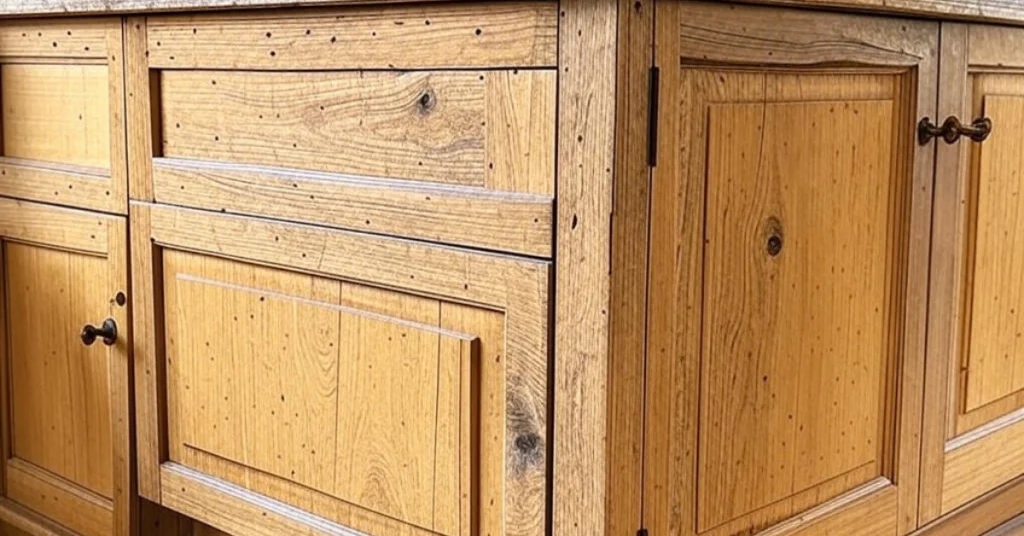
- Pros: Unique, sustainable, full of character.
- Cons: Can be expensive due to the labor-intensive process.
- Best For: Farmhouse or vintage-inspired kitchens.
2. Distressed Wood Cabinets
These cabinets are intentionally weathered to mimic aged wood. Techniques like hand-scraping or sanding create a lived-in look without sacrificing durability.
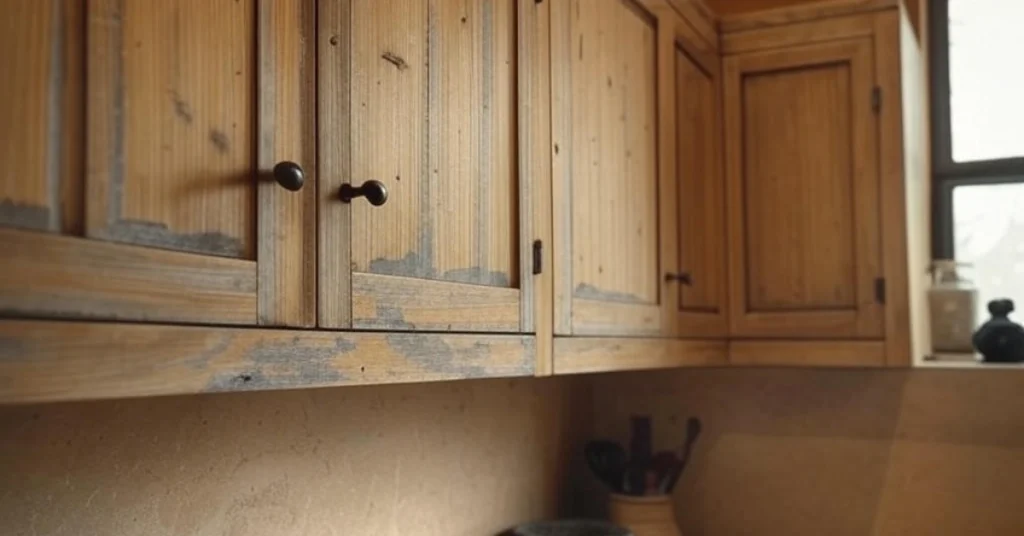
- Pros: Affordable, customizable distressing levels.
- Cons: May require maintenance to preserve the finish.
- Best For: Budget-conscious homeowners seeking rustic charm.
3. Shaker-Style Rustic Cabinets
Shaker cabinets feature clean lines and minimal ornamentation, making them a versatile choice for rustic kitchens. When paired with natural wood or muted paint, they strike a balance between modern and rustic.
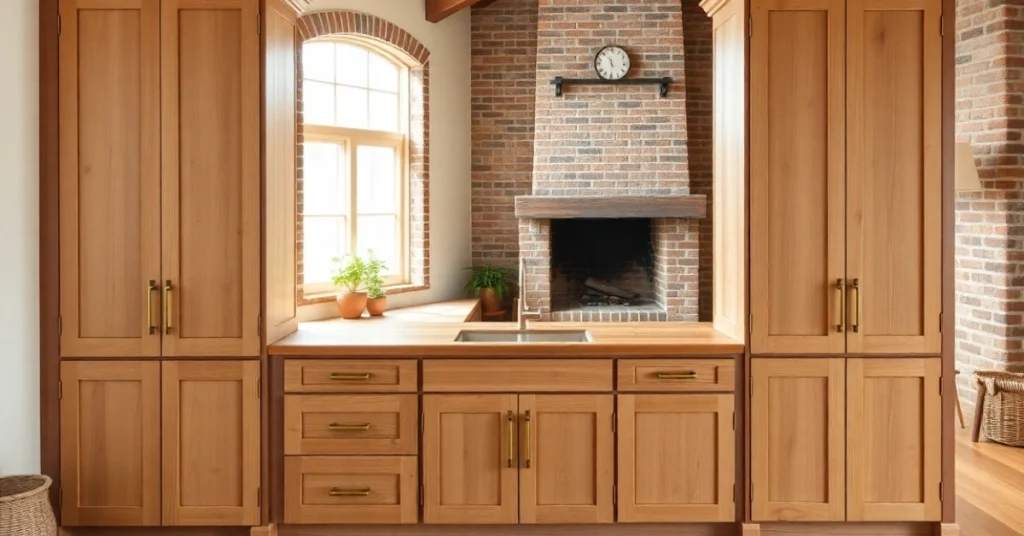
- Pros: Timeless, adaptable to various styles.
- Cons: Less ornate than other rustic options.
- Best For: Modern rustic or transitional kitchens.
4. Open Shelving Rustic Cabinets
Open shelves replace traditional upper cabinets, showcasing dishes or decor. They’re often made from rough-hewn wood or paired with wrought iron brackets for a rustic touch.
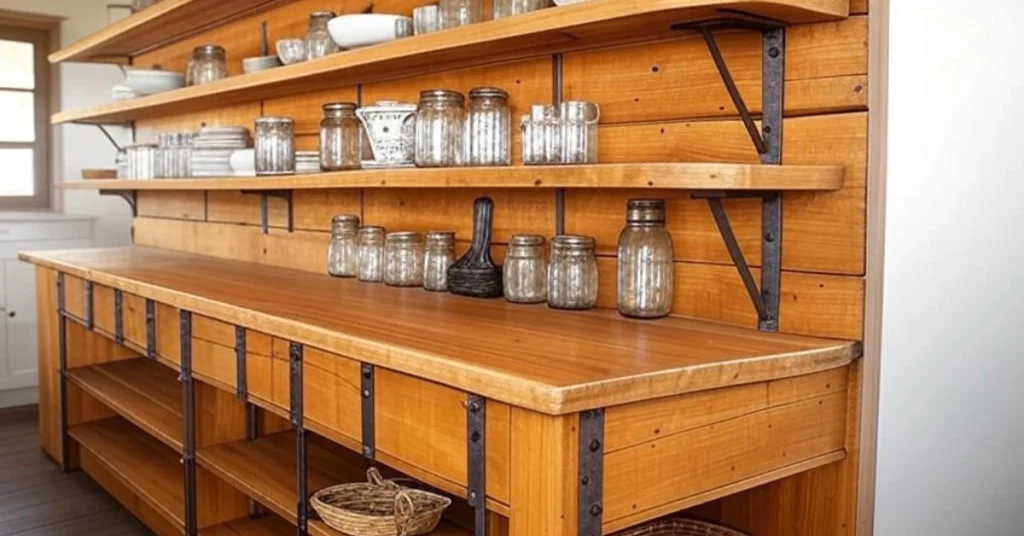
- Pros: Airy, accessible, great for displaying items.
- Cons: Requires organization to avoid clutter.
- Best For: Small kitchens or eclectic designs.
| Cabinet Type | Material | Best For | Price Range |
|---|---|---|---|
| Reclaimed Wood | Barn wood, salvaged | Unique, eco-friendly designs | $$$$ |
| Distressed Wood | Pine, oak | Budget-friendly rustic charm | $$–$$$ |
| Shaker-Style | Oak, maple | Modern rustic or transitional | $$–$$$$ |
| Open Shelving | Rough-hewn wood | Small spaces, eclectic styles | $–$$ |
How to Design a Kitchen with Rustic Kitchen Cabinets
Creating a cohesive kitchen design with rustic cabinets requires careful planning. Here are practical tips to bring your vision to life.
Choose the Right Wood
Select a wood species that complements your home’s aesthetic. Oak and pine are durable and widely available, while hickory or walnut adds a richer, darker tone. For a sustainable option, consider reclaimed wood certified by the Forest Stewardship Council (FSC).
Pair with Complementary Colors
Rustic cabinets shine when paired with earthy or neutral tones. Consider these color combinations:
- Warm Neutrals: Beige, cream, or taupe walls create a cozy backdrop.
- Bold Accents: Deep greens or navy blues add depth without overwhelming the space.
- Natural Hues: Soft grays or muted browns enhance the organic feel.
Designer Tip: “Avoid stark white walls with rustic cabinets,” advises interior designer Emily Carter. “Opt for warmer off-whites to maintain the cozy vibe.”
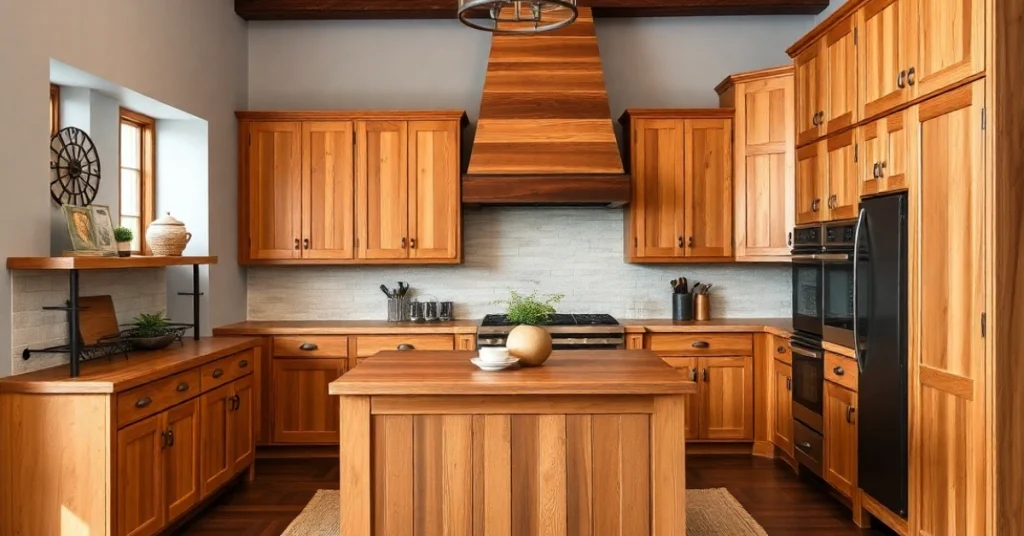
Incorporate Textured Elements
Textures elevate rustic kitchens. Pair your cabinets with:
- Stone Backsplashes: Slate or travertine tiles add a natural, rugged charm.
- Wooden Beams: Exposed ceiling beams enhance the rustic aesthetic.
- Woven Accents: Baskets or jute rugs bring warmth underfoot.
Select Vintage-Inspired Hardware
Choose hardware that complements the rustic vibe, such as:
- Wrought Iron: Black or matte finishes for a blacksmith-inspired look.
- Brass or Copper: Aged finishes add warmth and character.
- Ceramic Knobs: Hand-painted designs for a cottage feel.
Balance with Modern Elements
To avoid an overly rustic look, incorporate modern touches like stainless steel appliances or sleek countertops. Quartz or butcher block countertops pair beautifully with rustic kitchen cabinets, offering durability and style.
Practical Tips for Installing Rustic Kitchen Cabinets
Installing rustic cabinets requires attention to detail to ensure they shine in your space. Here’s how to get it right.
1. Measure Your Space Carefully
Accurate measurements are crucial to avoid costly mistakes. Measure the height, width, and depth of your kitchen, accounting for appliances and walkways. Standard cabinet heights are 34.5 inches for base cabinets and 30–36 inches for upper cabinets.
2. Work with a Professional
While DIY installation is tempting, hiring a professional ensures precision. A skilled contractor can handle uneven walls or custom fittings, especially for reclaimed wood cabinets.
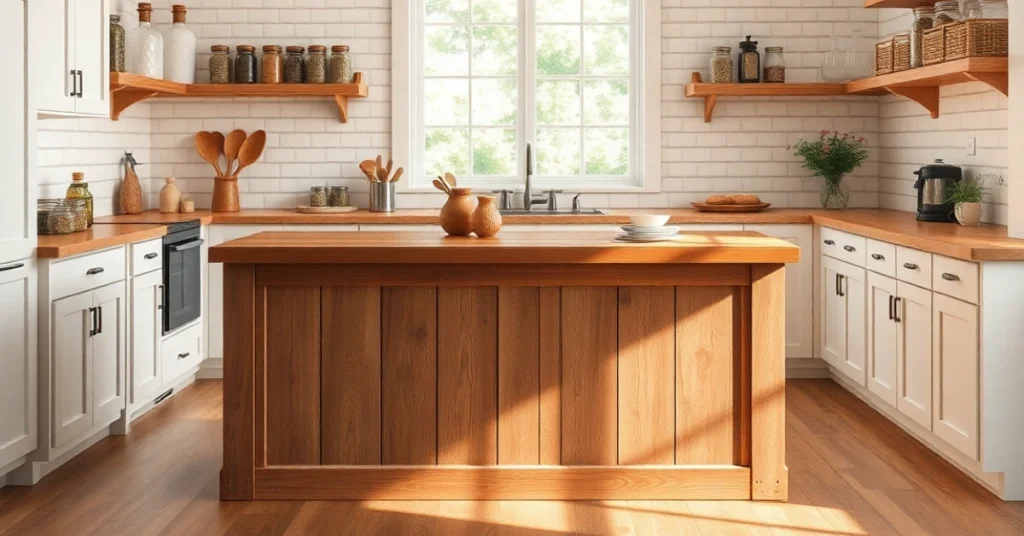
3. Consider Custom vs. Pre-Made Cabinets
Custom cabinets offer tailored designs but come with a higher price tag ($500–$1,200 per linear foot, per HomeAdvisor). Pre-made options from brands like IKEA or Home Depot are more budget-friendly ($100–$300 per linear foot) and often feature rustic finishes.
4. Maintain Your Cabinets
Rustic cabinets, especially those with distressed or natural finishes, require regular care:
- Clean Gently: Use a damp cloth and mild soap to avoid damaging the finish.
- Avoid Harsh Chemicals: Steer clear of abrasive cleaners that can strip wood.
- Reapply Sealant: For reclaimed or distressed wood, reseal every 2–3 years to protect against moisture.
Inspiring Design Ideas for Rustic Kitchen Cabinets
Need inspiration? Here are five design ideas to spark your creativity, each tailored to different tastes and spaces.
1. Farmhouse Charm
Combine whitewashed Shaker cabinets with a butcher block countertop and a subway tile backsplash. Add black wrought iron hardware and open shelves displaying mason jars for a classic farmhouse look.
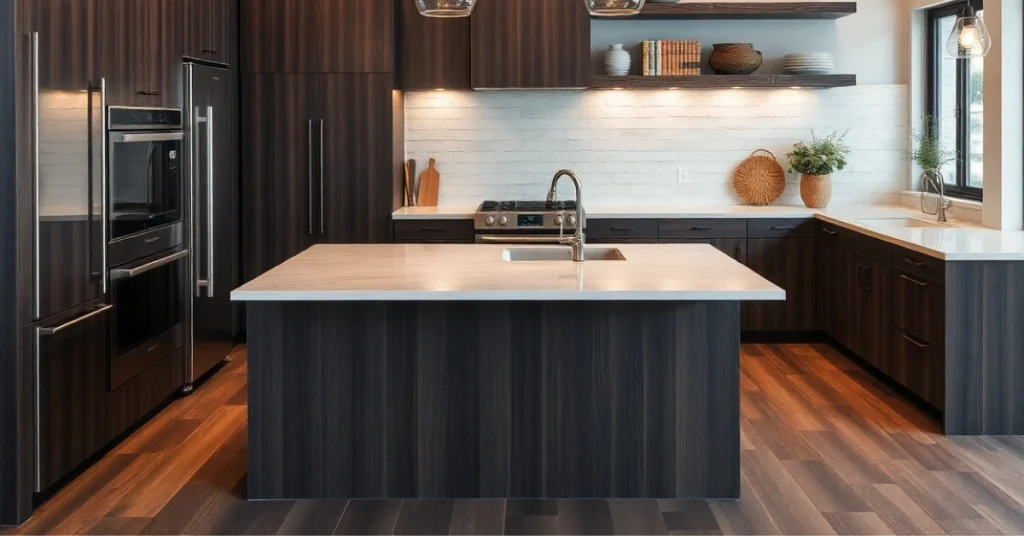
- Why It Works: The light cabinets brighten the space, while rustic elements like wood and iron ground the design.
- Real-World Example: A client in Vermont transformed their dated kitchen by pairing distressed oak cabinets with a reclaimed wood island, creating a cozy yet functional space.
2. Modern Rustic Fusion
Pair sleek, dark-stained rustic cabinets with stainless steel appliances and a quartz countertop. Add floating wooden shelves and industrial-style pendant lights for a contemporary twist.
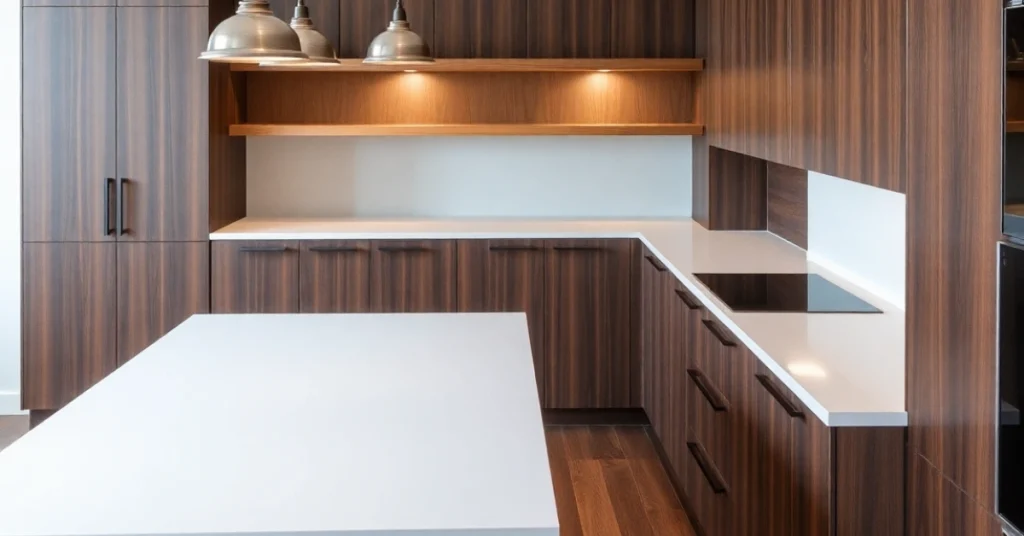
- Why It Works: The blend of rustic and modern creates a balanced, timeless aesthetic.
- Designer Tip: “Incorporate matte black accents to tie the rustic and modern elements together,” suggests designer Mark Reynolds.
3. Cozy Cottage Kitchen
Opt for soft green or gray distressed cabinets with ceramic knobs. Pair with a stone backsplash and woven rugs for a cottage-inspired feel. Include a farmhouse sink for added charm.
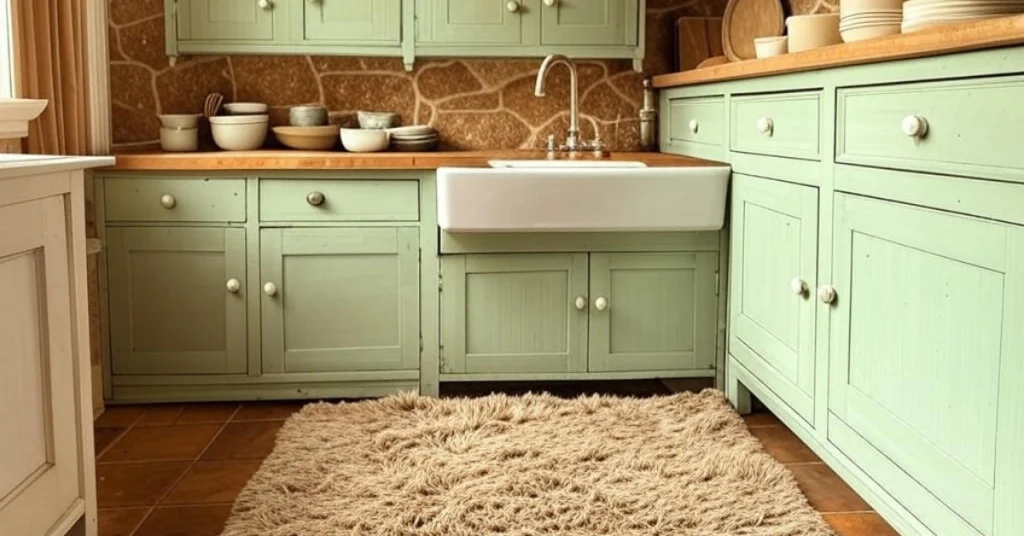
- Why It Works: Soft colors and natural textures create a warm, inviting space perfect for small kitchens.
- Real-World Example: A homeowner in Oregon used sage-green rustic cabinets with open shelving to display vintage dishware, creating a cozy, lived-in vibe.
4. Industrial Rustic Blend
Use reclaimed wood cabinets with exposed grain and pair with concrete countertops. Add metal bar stools and Edison bulb lighting for an industrial edge.
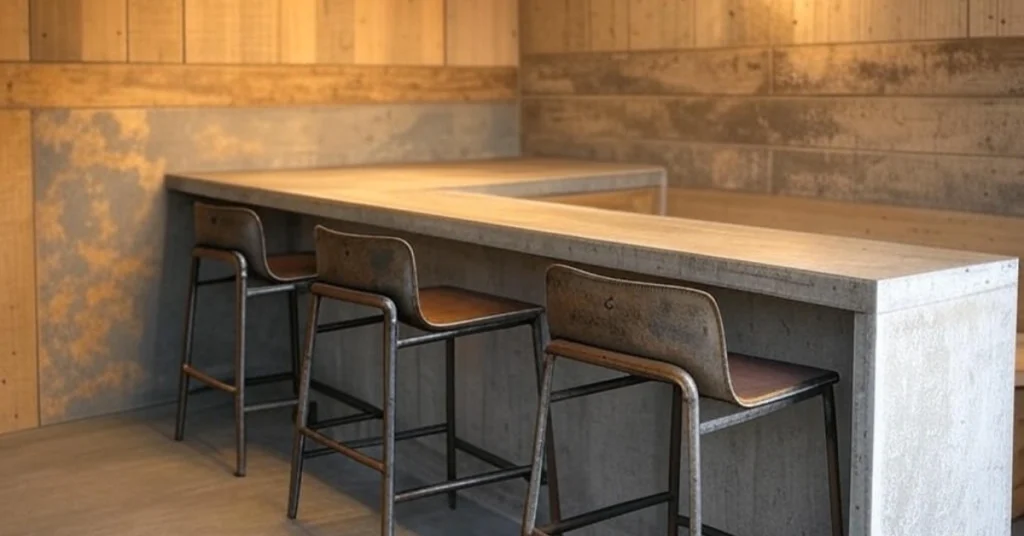
- Why It Works: The rugged textures of wood and concrete complement each other, creating a bold yet cohesive look.
- Designer Tip: “Keep the palette neutral to let the textures shine,” advises designer Laura Bennett.
5. Rustic Minimalist
Choose simple Shaker-style cabinets in a natural wood finish, paired with minimalist hardware and a sleek backsplash. Keep decor sparse, focusing on clean lines and open space.
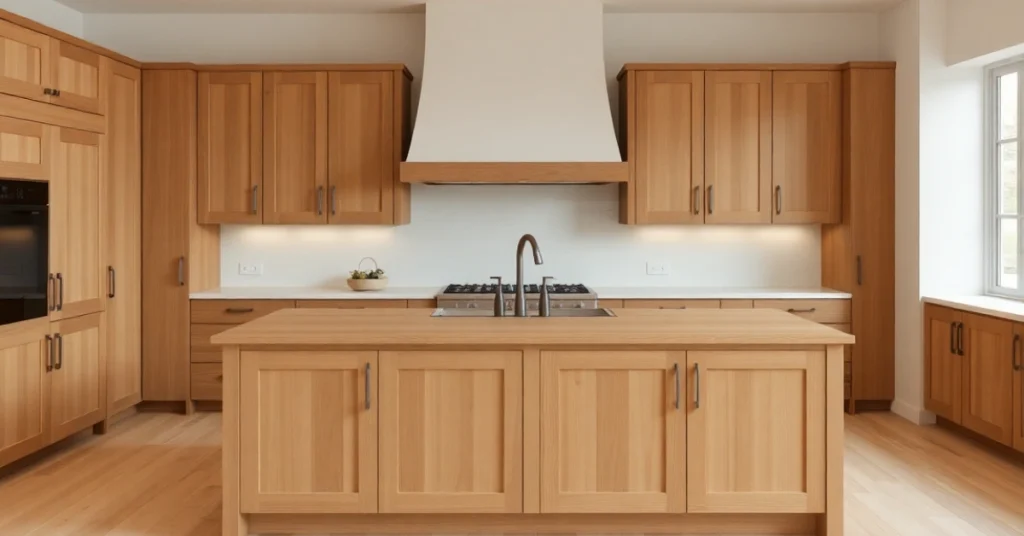
- Why It Works: This approach combines rustic warmth with minimalist simplicity, ideal for modern homes.
- Real-World Example: A Seattle couple used oak Shaker cabinets with matte black pulls and a white quartz countertop, creating a clutter-free yet warm kitchen.
Common Mistakes to Avoid with Rustic Kitchen Cabinets
Even the best designs can go wrong without proper planning. Here are common pitfalls and how to avoid them.
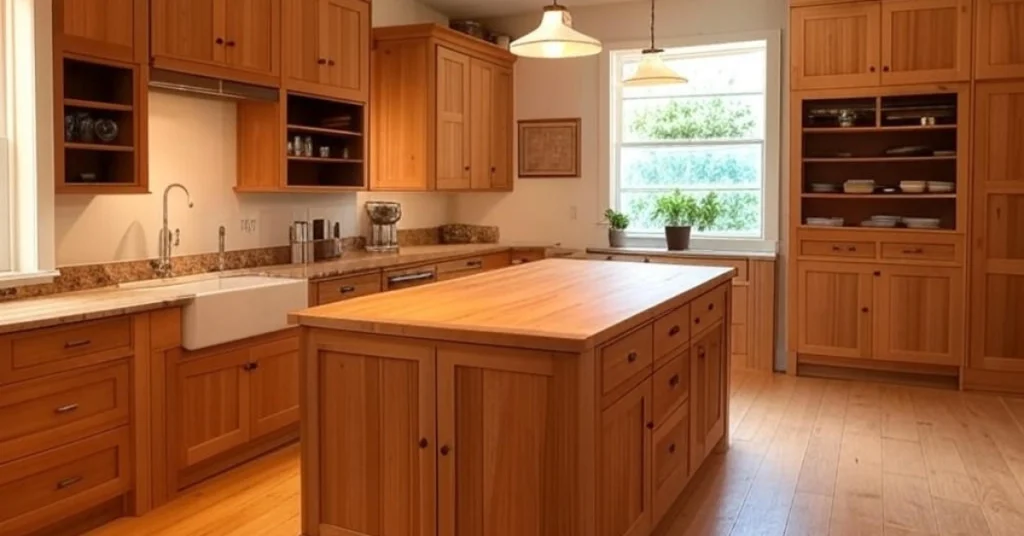
- Overdoing the Rustic Theme: Too many rustic elements can make the kitchen feel heavy. Balance with modern touches like sleek appliances or neutral walls.
- Ignoring Lighting: Rustic kitchens can feel dark without adequate lighting. Use pendant lights or under-cabinet lighting to brighten the space.
- Choosing Low-Quality Materials: Cheap wood or finishes can wear quickly. Invest in durable materials like solid oak or maple for longevity.
- Neglecting Functionality: Open shelving looks great but can become cluttered. Ensure you have enough closed storage for everyday items.
Cost Considerations for Rustic Kitchen Cabinets
The cost of rustic kitchen cabinets varies based on materials, craftsmanship, and customization. Here’s a breakdown:
| Cabinet Type | Average Cost per Linear Foot | Factors Affecting Cost |
|---|---|---|
| Reclaimed Wood | $500–$1,200 | Salvaging process, wood quality |
| Distressed Wood | $100–$400 | Finish type, wood species |
| Shaker-Style | $150–$500 | Customization, hardware quality |
| Open Shelving | $50–$200 | Material, installation complexity |
Source: HomeAdvisor, 2023
To save money, consider semi-custom cabinets or mix high-end rustic cabinets with budget-friendly open shelving. Always request quotes from multiple suppliers to find the best value.
Maintaining the Evergreen Appeal of Rustic Kitchen Cabinets
To ensure your rustic kitchen cabinets remain timeless:
- Choose Classic Finishes: Neutral or natural wood tones age better than trendy colors.
- Invest in Quality: High-quality materials withstand wear and tear, reducing the need for frequent updates.
- Update Accessories: Swap out hardware or decor every few years to refresh the look without major renovations.
- Incorporate Flexible Elements: Open shelves or modular cabinets allow you to adapt the design over time.
Conclusion:
Rustic kitchen cabinets offer the perfect blend of warmth, character, and functionality, making them an ideal choice for homeowners seeking a cozy yet stylish kitchen. By choosing the right materials, colors, and design elements, you can create a space that feels both timeless and personal. Whether you’re drawn to reclaimed wood, distressed finishes, or Shaker-style simplicity, there’s a rustic cabinet style to suit your vision.


