
Moody Bedroom Ideas for Awkward Spaces: Cozy Design Tips
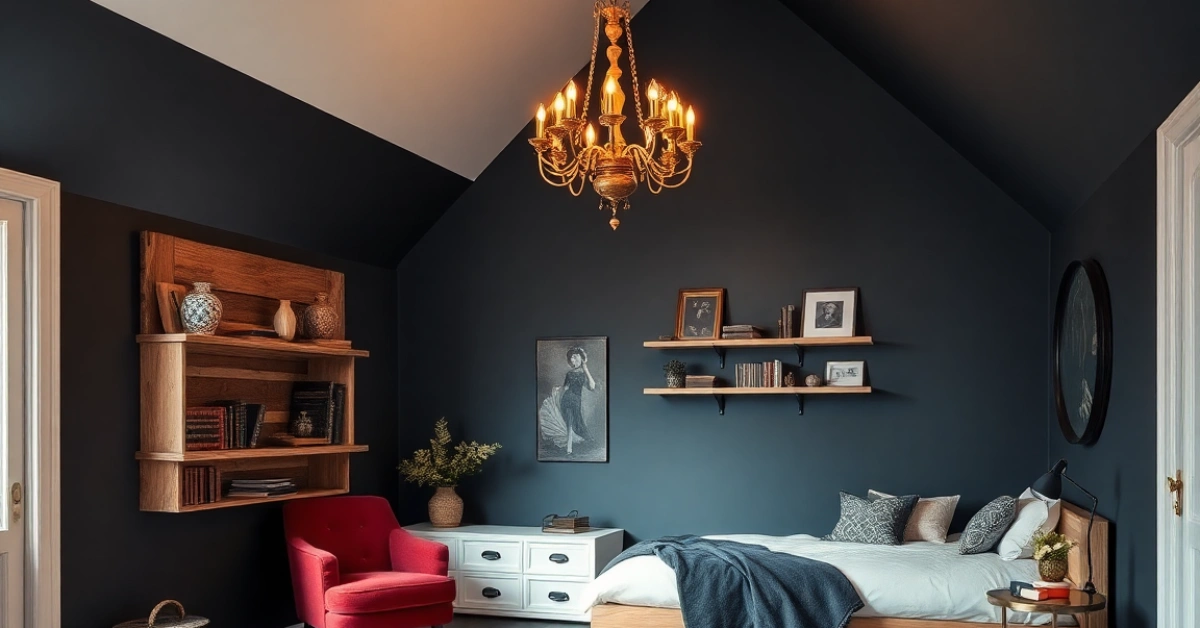
Creating a cozy, inviting bedroom in an awkward space can feel like a daunting challenge. Slanted ceilings, cramped corners, or irregular layouts often leave homeowners frustrated, wondering how to make their room both functional and aesthetically pleasing. If you’re struggling to turn an oddly shaped bedroom into a moody, atmospheric retreat, you’re not alone—many face this design dilemma. The good news? With thoughtful planning and creative moody bedroom ideas for awkward spaces, you can transform even the trickiest layout into a stylish sanctuary that reflects your personality.
This guide offers practical solutions and inspiring ideas to help you maximize every inch of your unique space. From clever furniture placement to moody color palettes and lighting tricks, we’ll walk you through expert tips to craft a bedroom that’s both functional and full of character. Let’s dive into how you can embrace the quirks of your room and create a dreamy, moody escape.
Understanding Moody Bedroom Aesthetics
What Makes a Bedroom “Moody”?
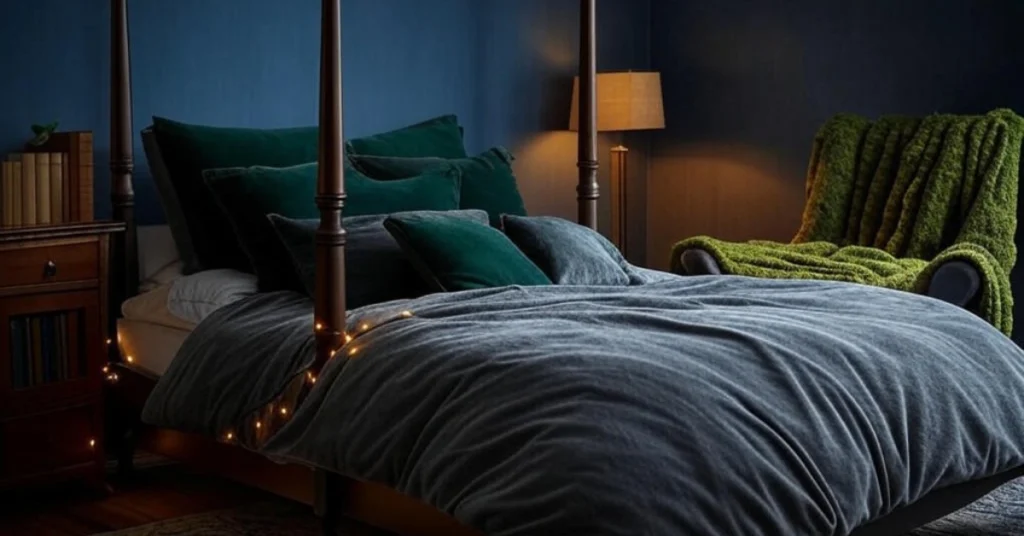
A moody bedroom is all about creating a cozy, intimate atmosphere through rich colors, soft textures, and layered lighting. Think deep hues like charcoal, navy, or forest green, paired with plush fabrics and warm accents. According to interior designer Sarah Thompson, “A moody bedroom feels like a cocoon—warm, enveloping, and deeply personal, with a touch of drama.” This aesthetic is perfect for awkward spaces because it uses bold design choices to distract from architectural flaws and highlight the room’s unique charm.
Why Awkward Spaces Work Well with Moody Vibes
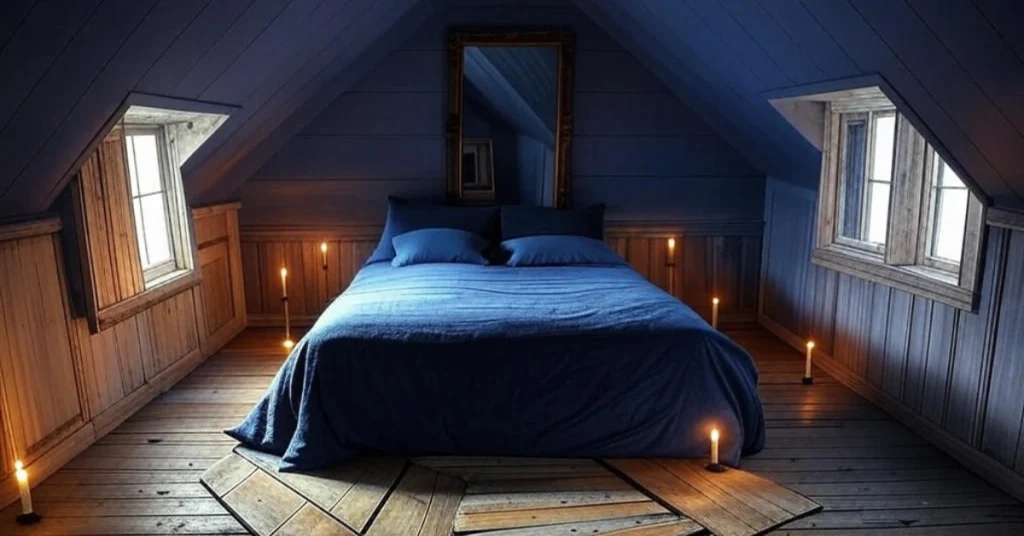
Awkward spaces—think sloped ceilings, tight alcoves, or narrow layouts—can actually enhance a moody aesthetic. The cozy, enclosed feel of these areas naturally lends itself to darker tones and intimate designs. By leaning into the space’s quirks, you can create a bedroom that feels intentionally snug rather than cramped. For example, a slanted ceiling painted in a deep hue can make a low attic room feel like a luxurious hideaway.
Planning Your Moody Bedroom Layout
Assessing Your Awkward Space
Before diving into design, take stock of your room’s unique features. Measure dimensions, note ceiling heights, and identify problem areas like tight corners or sloped walls. “Mapping out the space helps you visualize what’s possible,” says designer Mark Evans. Use a sketch or a digital tool to plan furniture placement, ensuring you account for traffic flow and functionality.
Prioritizing Function in Small or Odd Layouts
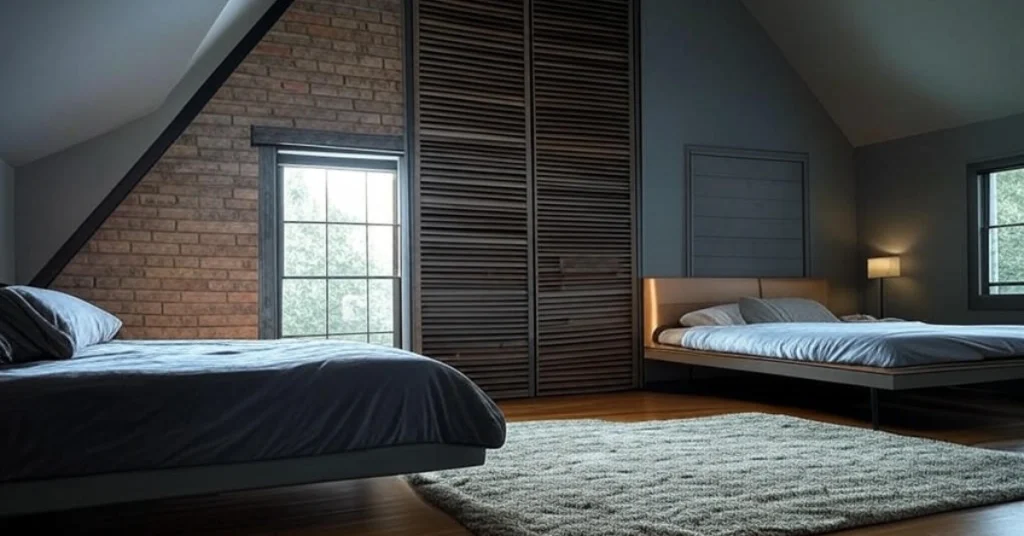
Awkward spaces demand smart prioritization. Ask yourself: What’s the primary function of this bedroom? Sleeping, storage, or perhaps a small workspace? For example, in a narrow room, you might opt for a bed against the longest wall to free up floor space. In an attic with low ceilings, a low-profile bed frame can prevent the space from feeling oppressive.
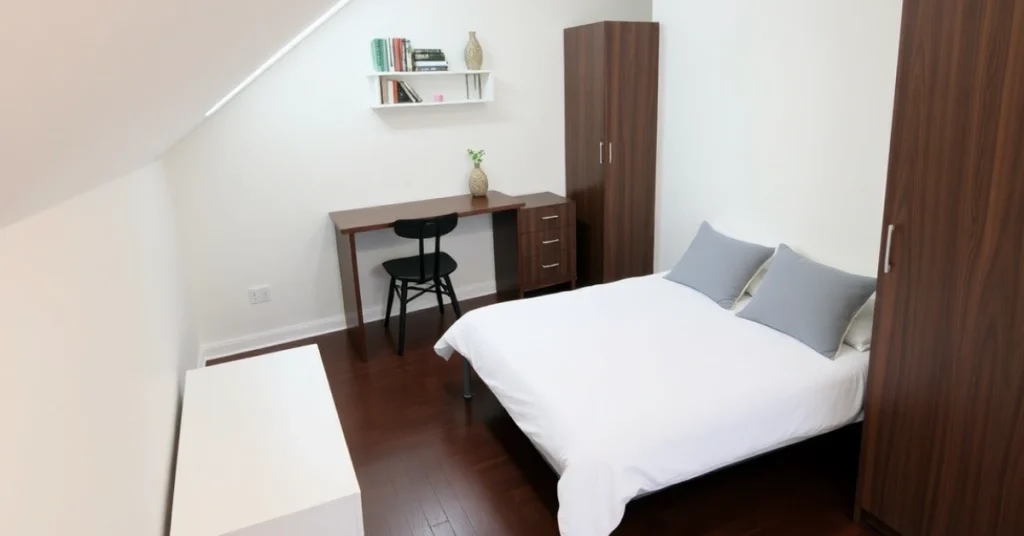
- Measure twice, design once: Accurate measurements prevent costly furniture mistakes.
- Identify focal points: Use architectural quirks, like a slanted wall, as a design feature.
- Plan for storage: Awkward spaces often lack built-in storage, so prioritize multi-functional furniture.
Color Palettes for a Moody Bedroom
Choosing the Right Moody Hues
Color is the backbone of a moody bedroom. Deep, saturated tones like charcoal gray, midnight blue, or burgundy create a sense of depth and coziness. For awkward spaces, darker colors can make irregular walls or low ceilings feel intentional rather than awkward. A 2023 study by the Color Marketing Group found that deep blues and greens are trending for their calming, enveloping qualities.
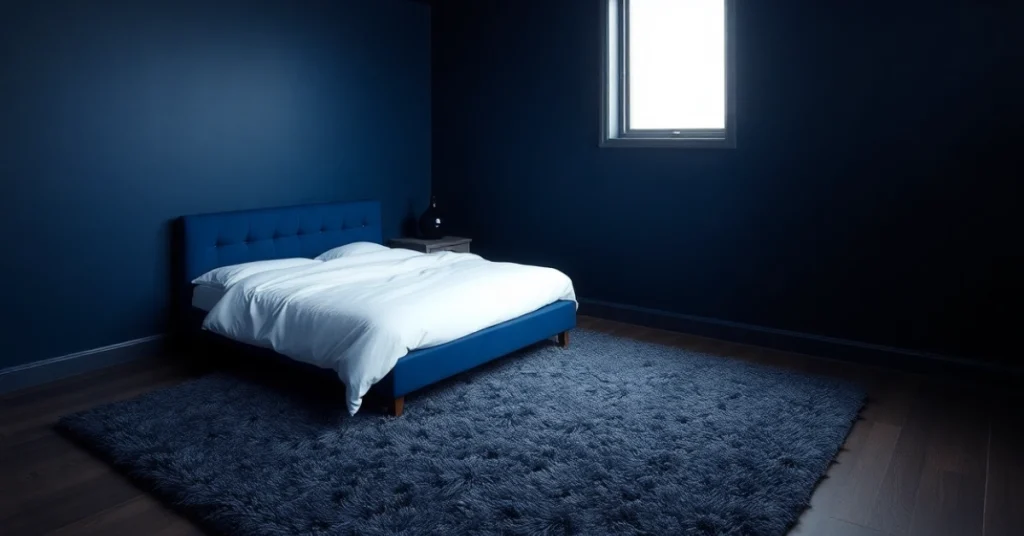
Balancing Dark Tones in Small Spaces
While dark colors are key, they can overwhelm a small or oddly shaped room if not balanced properly. Pair moody walls with lighter accents, like cream or soft gold bedding, to add contrast. For example, painting a sloped ceiling in a deep hue while keeping walls in a lighter shade can make the room feel taller. Interior designer Lisa Holloway suggests, “Use a 60-30-10 rule: 60% dominant color, 30% secondary color, and 10% accent to keep the space harmonious.”
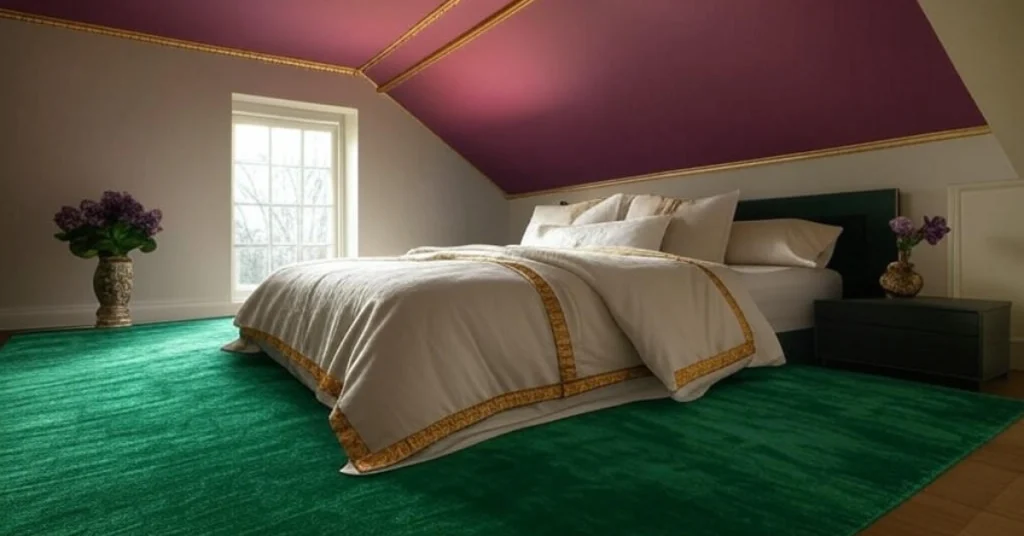
Secondary Color Ideas
- Jewel tones: Emerald, sapphire, or amethyst add richness without overpowering.
- Warm neutrals: Taupe or beige accents soften the intensity of dark walls.
- Metallics: Gold or brass details bring a touch of elegance to moody spaces.
| Color Scheme | Primary Hue | Accent Colors | Best for |
|---|---|---|---|
| Charcoal & Gold | Charcoal Gray | Gold, Cream | Small rooms with low light |
| Navy & Blush | Midnight Blue | Blush Pink, Ivory | Narrow rooms needing warmth |
| Forest & Terracotta | Forest Green | Terracotta, Beige | Attic spaces with sloped ceilings |
Furniture Choices for Awkward Spaces
Multi-Functional Furniture for Space Efficiency
In awkward spaces, every piece of furniture needs to earn its place. Opt for multi-functional items like a storage bed with built-in drawers or a headboard with shelves. For example, in a real-life project, a homeowner transformed a cramped attic bedroom by using a low-profile storage bed that doubled as a dresser, freeing up valuable floor space.
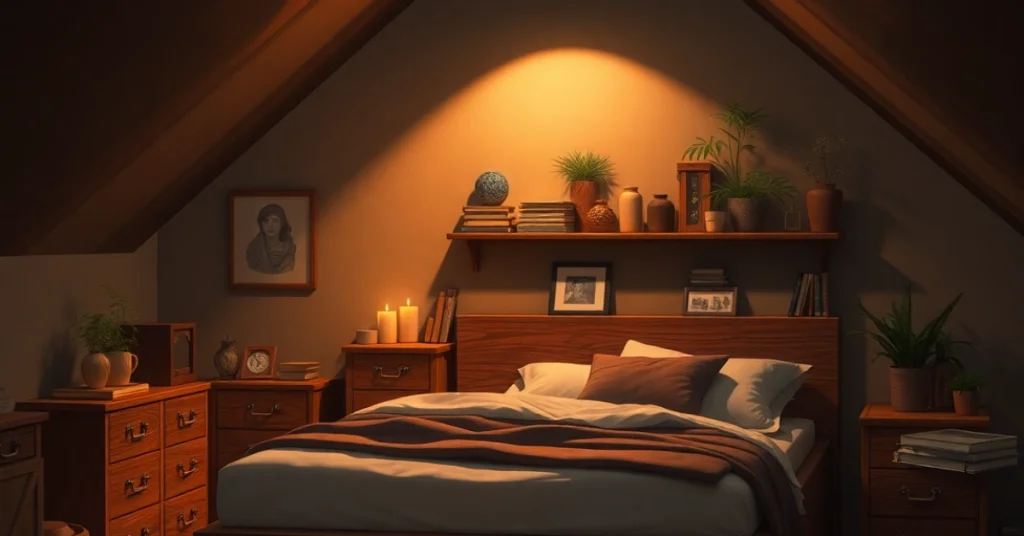
Custom vs. Ready-Made Furniture
Custom furniture can be a game-changer for awkward spaces, but it’s not always budget-friendly. If custom isn’t an option, look for modular or adjustable pieces. Retailers like IKEA and West Elm offer slim-profile beds and narrow nightstands perfect for tight corners. “Measure your space and compare it to furniture dimensions online,” advises designer Emma Chen. “Even a few inches can make or break the layout.”
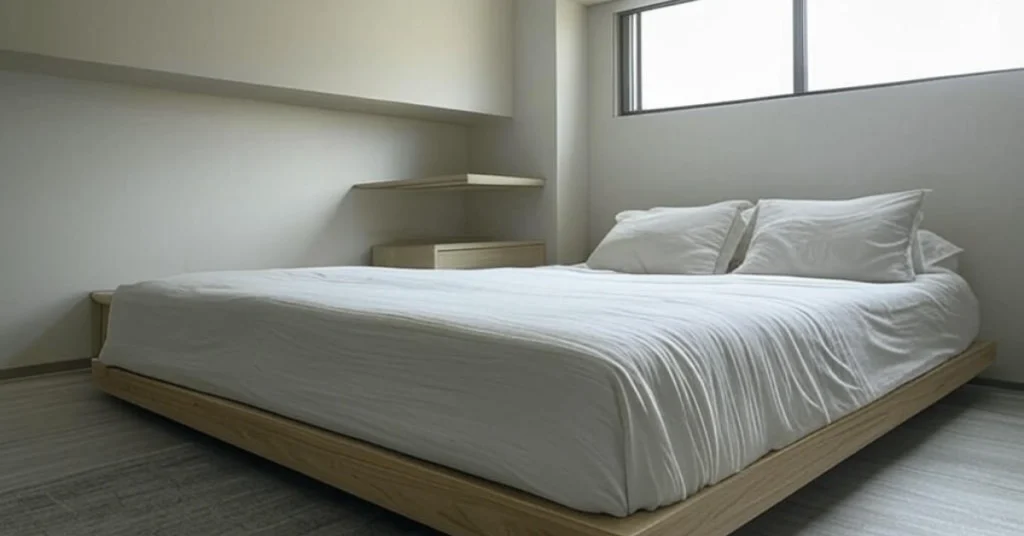
Placement Tips for Tricky Layouts
- Sloped ceilings: Place the bed under the lowest point to maximize headroom elsewhere.
- Narrow rooms: Push the bed against one wall and use a slim console as a nightstand.
- Alcoves: Fit a custom shelf or small desk into recessed areas for added functionality.
Lighting to Enhance the Moody Vibe
Layered Lighting for Ambiance
Lighting is crucial in a moody bedroom, especially in awkward spaces with limited natural light. Combine ambient, task, and accent lighting to create depth. Wall sconces are ideal for low ceilings, as they draw the eye upward without taking up floor space. Designer Rachel Patel notes, “Soft, warm lighting makes a moody bedroom feel inviting rather than cave-like.”
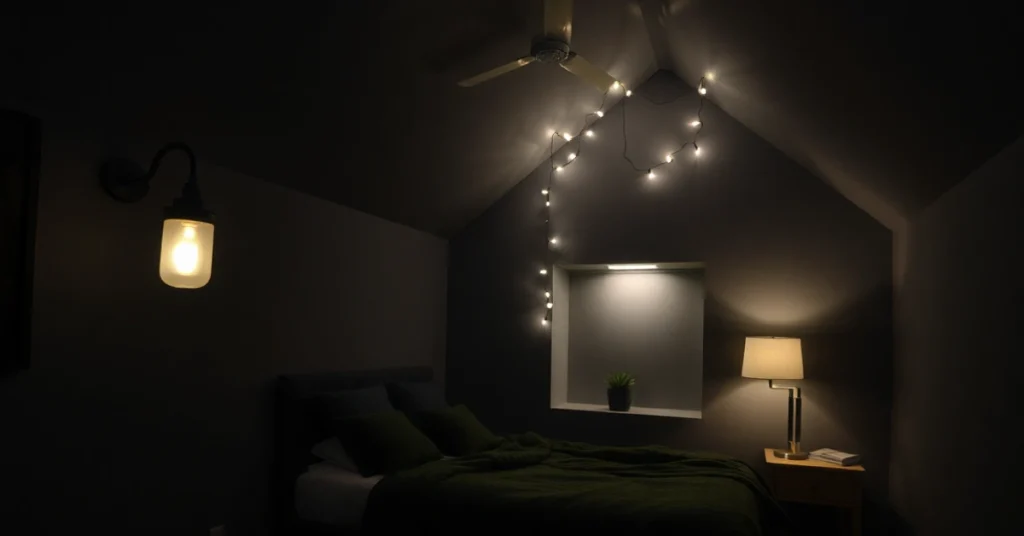
Types of Lighting to Consider
- Ambient: Ceiling fixtures or recessed lights for overall illumination.
- Task: Bedside lamps or reading lights for functionality.
- Accent: Fairy lights or LED strips to highlight architectural features like alcoves.
Placement Tips for Awkward Spaces
In rooms with slanted ceilings, avoid overhead chandeliers that could obstruct headroom. Instead, use floor lamps in corners or sconces along sloped walls. For narrow rooms, mount lights on the wall to free up bedside table space. A dimmer switch is a must for adjusting the mood throughout the day.
Textiles and Textures for Cozy Appeal
Layering Fabrics for Warmth
Textiles add warmth and softness to a moody bedroom, counterbalancing the intensity of dark colors. Think plush throws, velvet cushions, and linen bedding. In a small bedroom with an awkward corner, a client layered a chunky knit blanket and faux fur pillows to create a cozy nook that distracted from the room’s odd shape.
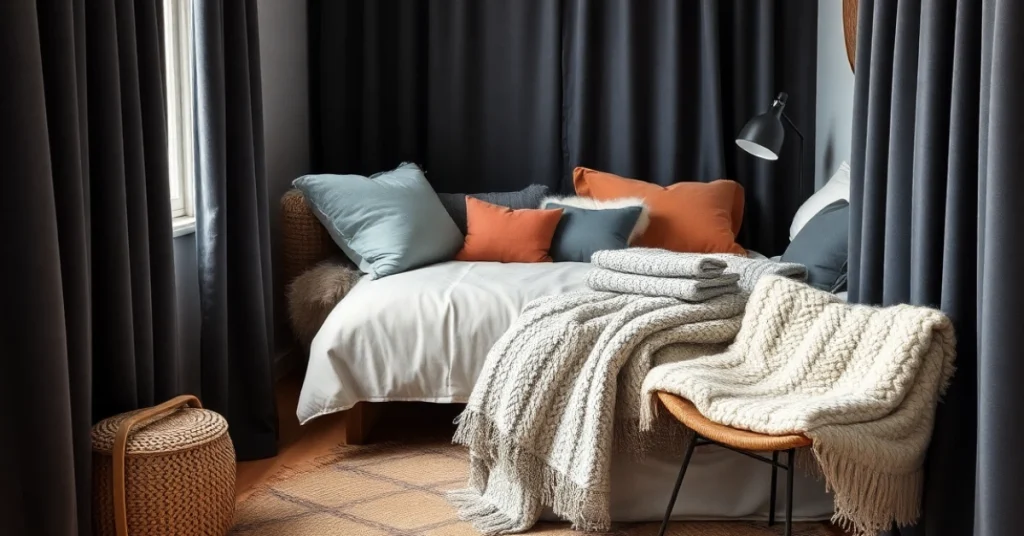
Choosing the Right Materials
- Velvet: Adds luxury and softness, perfect for upholstery or curtains.
- Linen: Brings a relaxed, organic feel to bedding or drapes.
- Wool or faux fur: Ideal for throws and rugs to enhance coziness.
Curtains for Awkward Windows
Oddly shaped or small windows are common in awkward spaces. Floor-length curtains in a rich color, like deep teal, can make small windows appear larger and add drama. Mount the curtain rod higher than the window frame to create the illusion of height.
Wall Treatments and Decor
Accent Walls for Visual Interest
An accent wall can transform an awkward space by drawing attention to a specific area. In a room with a slanted ceiling, paint or wallpaper the sloped wall in a bold pattern to make it a focal point. Peel-and-stick wallpaper is a renter-friendly option that adds texture without permanent changes.
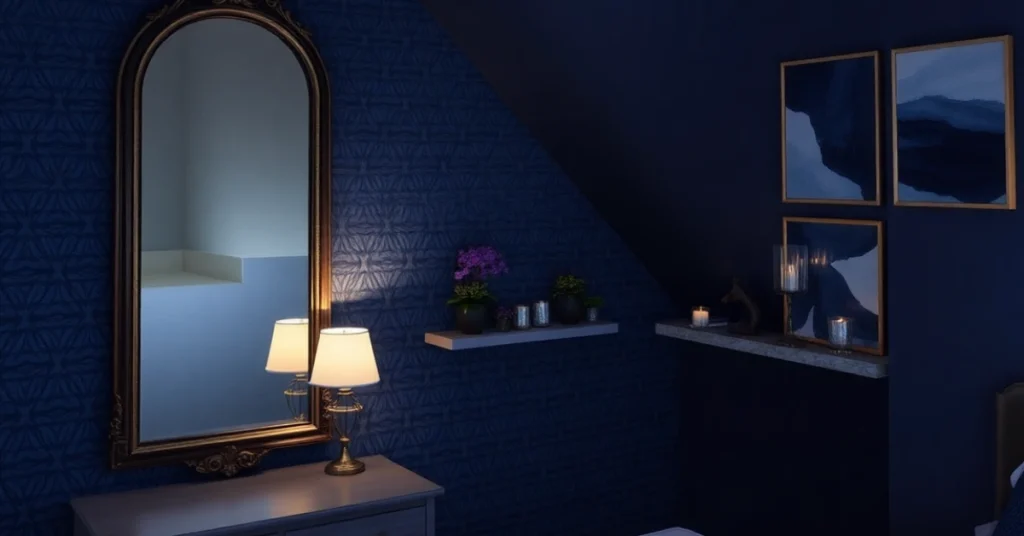
Art and Mirrors for Depth
Mirrors are a designer’s secret weapon for small or awkward spaces. A large mirror opposite a window reflects light and makes the room feel bigger. Artwork in moody tones, like abstract pieces or botanical prints, ties the aesthetic together. “Hang art at eye level to create balance,” says designer James Carter.
Shelving for Functionality
Floating shelves are perfect for awkward corners or alcoves. Use them to display plants, books, or decorative items that complement the moody vibe. In a narrow bedroom, a client installed a corner shelf unit to hold candles and small plants, adding personality without cluttering the floor.
Storage Solutions for Awkward Spaces
Built-In vs. Freestanding Storage
Built-in storage is ideal for awkward spaces, as it can be tailored to fit sloped walls or tight corners. However, freestanding options like slim wardrobes or under-bed storage bins are more budget-friendly. For example, a homeowner with a small, L-shaped bedroom used a corner wardrobe to maximize space while keeping the moody aesthetic with a matte black finish.
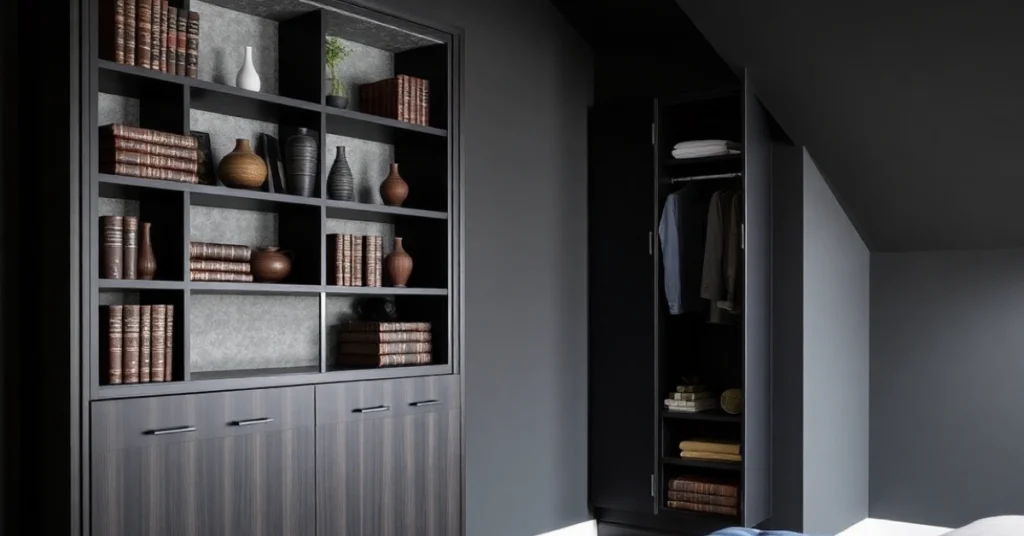
Creative Storage Ideas
- Under-bed storage: Use flat bins or drawers for linens and off-season clothes.
- Wall-mounted shelves: Perfect for books or decor in tight spaces.
- Multi-use ottomans: Store blankets or pillows inside a cushioned bench.
| Storage Type | Best for | Pros | Cons |
|---|---|---|---|
| Built-In Shelves | Sloped walls | Custom fit, seamless look | Expensive, permanent |
| Under-Bed Bins | Small rooms | Affordable, hidden storage | Limited capacity |
| Corner Wardrobe | L-shaped rooms | Maximizes corner space | May block light |
Incorporating Plants and Greenery
Why Plants Work in Moody Bedrooms
Plants add life and texture to a moody bedroom, softening the intensity of dark colors. Low-maintenance options like snake plants or pothos thrive in low-light awkward spaces. “Greenery brings a sense of calm and balance,” says botanist Laura Green, who recommends placing plants on shelves or in corners to fill empty spaces.
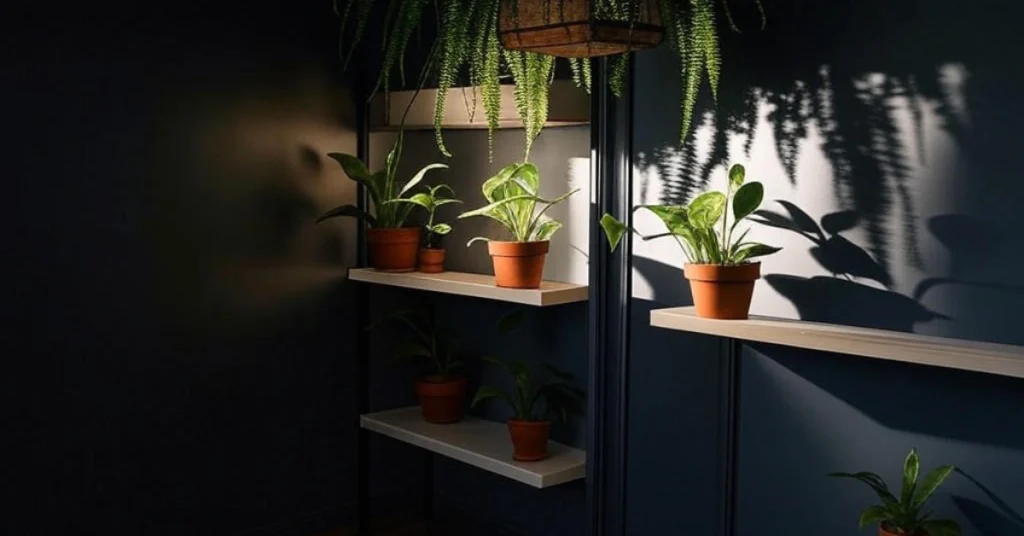
Placement Tips for Small Spaces
- Hanging planters: Ideal for rooms with limited floor space.
- Shelf plants: Small pots on floating shelves add visual interest.
- Large statement plants: A single tall plant can fill an awkward corner.
Common Mistakes to Avoid
Overloading the Space
In awkward spaces, less is more. Avoid cluttering the room with too many furniture pieces or decor items, as this can make it feel cramped. Stick to essentials and use multi-functional pieces to keep the space open.
Ignoring Lighting Needs
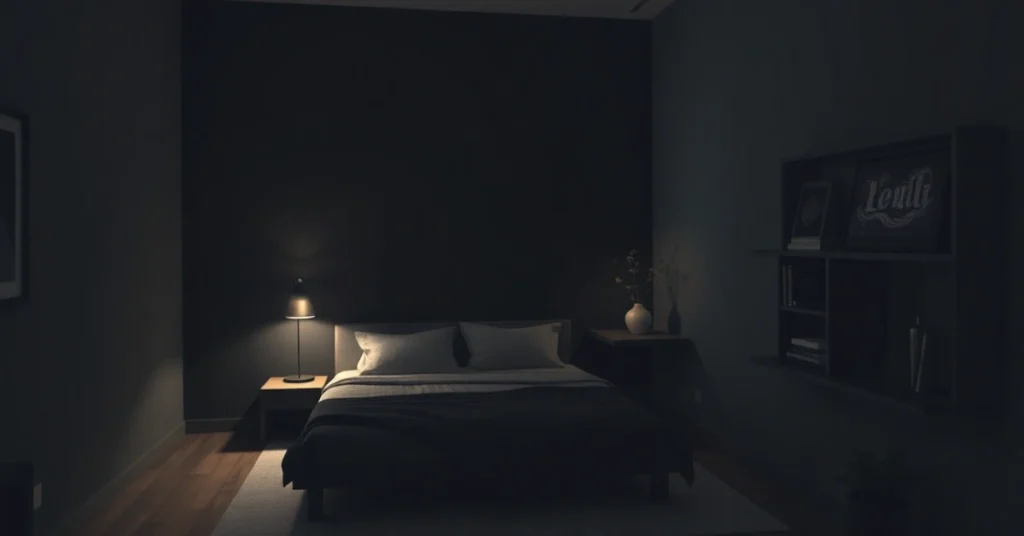
Dark, moody colors absorb light, so inadequate lighting can make the room feel gloomy. Always include multiple light sources and test them at different times of day to ensure the space feels inviting.
Choosing Oversized Furniture
Large furniture can overwhelm an awkward space. Measure carefully and opt for slim or modular pieces that fit the room’s proportions. For example, a king-sized bed in a narrow room can make it impossible to move around comfortably.
Real-Life Examples of Moody Bedrooms in Awkward Spaces
Case Study 1: The Attic Retreat
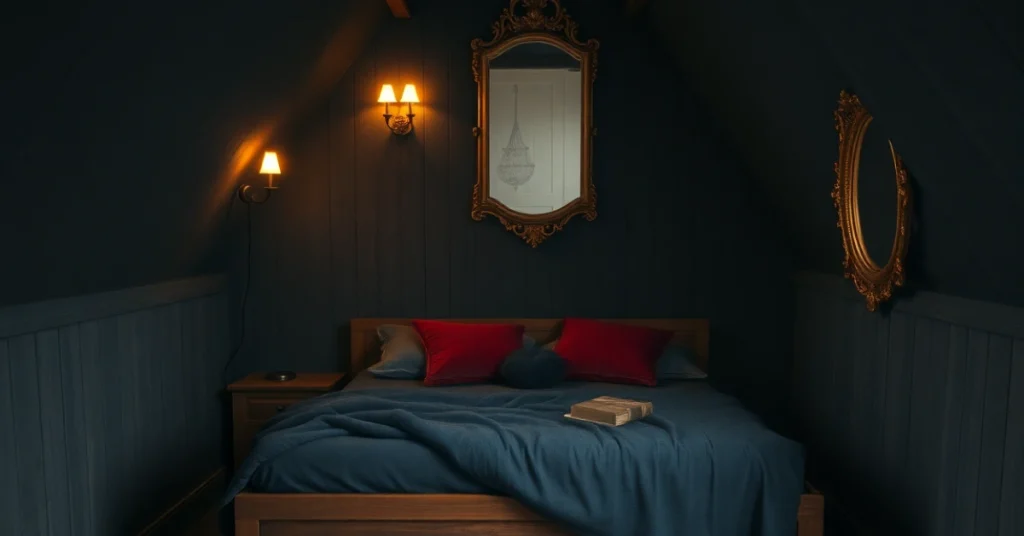
A homeowner with a low-ceiling attic bedroom painted the sloped walls in a deep charcoal gray and used a low-profile bed with built-in storage. They added wall sconces and a large mirror to brighten the space, creating a cozy, moody retreat that felt intentional rather than cramped.
Case Study 2: The Narrow Urban Bedroom
In a narrow city apartment, a renter used a navy accent wall and floor-length curtains to add depth. They chose a slim console as a nightstand and hung floating shelves in an awkward corner, filling them with plants and books. The result was a functional, stylish bedroom that maximized every inch.
Conclusion:
Transforming an awkward space into a moody bedroom is all about embracing the room’s quirks and using them to your advantage. With the right color palette, furniture choices, and lighting, you can create a cozy, stylish retreat that feels uniquely yours. Whether you’re working with a sloped ceiling, a narrow layout, or a tiny alcove, these moody bedroom ideas for awkward spaces will help you turn challenges into opportunities. Ready to get started? Begin by sketching your space and experimenting with one or two ideas from this guide—your dream bedroom is just a few steps away!


