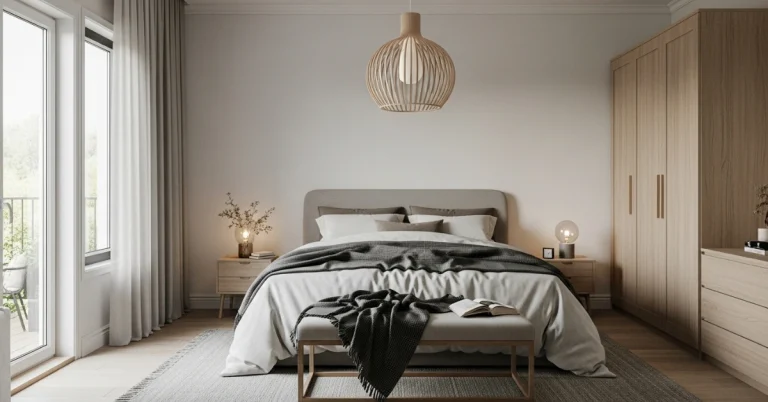
Decorating a Bedroom: Tips & Ideas

Many folks find their bedroom ends up as a catch-all spot, cluttered with laundry piles or mismatched pieces that don’t quite spark joy. It’s tough to unwind after a long day when the room feels chaotic or uninspiring, especially if space is tight or you’re unsure where to start. This common issue leaves people tossing and turning, wishing for a spot that truly reflects their taste and promotes better rest.
The good news is that decorating a bedroom doesn’t have to be overwhelming. With some thoughtful planning and simple steps, you can create a welcoming area that suits your lifestyle. This post dives into practical advice, from picking colors to adding those final touches, helping you build a bedroom that’s both functional and full of character.
Planning Your Bedroom Decor
Before jumping into paint swatches or shopping trips, take a moment to map out what you want. Think about how you use the space—do you read before bed, work from there occasionally, or need room for kids’ toys? Assessing your needs sets a strong foundation for decorating a bedroom.

Start by measuring the room and sketching a basic layout. Note where windows, doors, and outlets are to avoid surprises later. Consider your style preferences: modern minimalism, cozy farmhouse, or something eclectic? Tools like mood boards can help visualize ideas. Pin images of beds, lamps, or rugs that catch your eye.
Budget plays a big role too. Allocate funds for key items like a mattress or headboard first, then fill in with accents. Remember, decorating a bedroom is about balance—mix high-end pieces with thrifty finds for a layered look. In one project I recall, a client turned a bland room into a serene escape by prioritizing a quality bed frame and layering affordable textiles.
Choosing the Right Color Scheme
Colors set the mood when decorating a bedroom. They can make a small space feel larger or add warmth to a chilly room. For 2025 trends, soft greens like sage or olive are popular for their grounding effect, as noted by designers. These hues promote relaxation, ideal for sleep.

Neutral palettes remain timeless. Beiges, creams, and warm grays create a calm backdrop. Pair them with accents in deeper tones for depth. Avoid stark whites if your room lacks natural light—they can feel cold. Instead, opt for off-whites with subtle undertones.
For bolder tastes, try muted blues or plums. A deep navy can cocoon the space, but test samples first to see how light changes them. “A room should never allow the eye to settle in one place,” says designer Juan Montoya. Experiment with an accent wall if full commitment scares you.
In history, bedrooms evolved from shared spaces to private retreats in the 1930s, influencing color choices toward soothing shades. Today, aim for schemes that evolve with seasons—lighter in summer, cozier in winter.
Selecting Furniture for Functionality and Style
Furniture anchors the room when decorating a bedroom. The bed is the star, so choose one that fits your frame and offers storage if space is limited. Platform beds with drawers work well in compact areas.

Nightstands should match the bed’s height for easy reach. Look for ones with shelves or cabinets to hide remotes and books. Dressers or wardrobes keep clothes organized—built-ins save floor space in tight rooms.
Consider multifunctional pieces, like a bench at the bed’s foot that doubles as seating and storage. Materials matter: solid woods like oak or walnut add warmth and durability. “Design is coming to grips with one’s real lifestyle,” notes Billy Baldwin.
In a real-world example, I helped a family repurpose an old armoire into a media cabinet, blending vintage charm with modern needs. Scale is key—oversized items overwhelm small spaces, while too-small ones look lost.
Lighting Ideas to Enhance Ambiance
Good lighting transforms decorating a bedroom from basic to inviting. Layer sources: overhead for general illumination, task for reading, and ambient for mood.

Ceiling fixtures like chandeliers add elegance, but dimmers make them versatile. Wall sconces save nightstand space and create symmetry. Floor lamps work in corners, providing soft glows.
LED bulbs are energy-efficient and come in warm tones for coziness. “Natural light is essential,” advises Louis Kahn. Maximize it with sheer curtains or mirrors to bounce light around.
For evenings, string lights or under-bed LEDs offer subtle options. In one home I saw, layered lighting turned a dark room into a peaceful nook, proving small changes yield big impacts.
Bedding and Textiles for Comfort
Textiles bring softness when decorating a bedroom. Start with a quality mattress topper if needed, then layer sheets, duvets, and pillows.

Choose breathable fabrics like cotton or linen for year-round comfort. Mix patterns sparingly—solids with subtle prints keep it balanced. Seasonal swaps, like flannel in winter, refresh the look.
Rugs ground the space; wool or jute options add texture. Curtains block light for better sleep—blackout linings help in bright areas. “Textures create a calming essence,” shares designer Athena Calderone.
A tip from experience: Invest in a few high-thread-count items and rotate them to extend life.
Wall Decor and Accessories
Walls offer a canvas for personality in decorating a bedroom. Gallery walls with photos or art tell your story—mix frames for interest.

Shelves display books or plants, adding life. Mirrors enlarge spaces visually. Tapestries or woven pieces bring texture without overwhelming.
Accessories like vases or trays on dressers add polish. Keep it edited to avoid clutter. “Add the perfect finishing touch,” suggest pros from Architectural Digest.
In a project, hanging hats as decor saved space and added whimsy, showing creativity pays off.
Storage Solutions to Keep It Tidy
Clutter kills calm, so smart storage is crucial in decorating a bedroom. Under-bed bins hide extras like seasonal clothes.

Wall-mounted hooks or pegs hold jewelry or bags. Ottomans with lids offer hidden spots. “Organize to reduce waste,” notes eco-expert.
For closets, dividers maximize efficiency. In small homes, vertical units save floor area. A tidy space feels larger and more restful.
Sustainable Decor Options
Eco-friendly choices shine in decorating a bedroom. Opt for organic bedding from bamboo or cotton, reducing environmental impact.

Reclaimed wood furniture adds character while reusing materials. Low-VOC paints keep air clean. “Sustainable yet sophisticated,” says designer Elissa Hall.
Upcycle old items—a fresh paint job revives dressers. Plants purify air naturally. These steps create a green sanctuary.
Tips for Decorating a Small Bedroom
Small spaces challenge decorating a bedroom, but clever tricks help. Use light colors to open up—whites or pastels reflect light.

Mirrors create illusions of depth. Loft beds free floor space for desks. “Maximize every inch,” advises House Beautiful.
Floating shelves replace bulky tables. Multi-use furniture, like storage beds, is key. In a tiny apartment I knew, these ideas turned cramped into cozy.
Budget-Friendly Ideas
Decorating a bedroom on a dime? Thrift stores yield gems like vintage lamps. DIY headboards from fabric or pallets save cash.

Swap items with friends for fresh looks. “High-impact changes without breaking the bank,” shares RMCA D blog.
Focus on one splurge, like bedding, and economize elsewhere. Creativity stretches dollars far.
Incorporating Personal Touches
Make it yours when decorating a bedroom. Display travel souvenirs or family heirlooms. Custom art or monogrammed pillows add uniqueness.

Scents from candles or diffusers enhance mood—lavender for calm. “Transforming spaces one room at a time,” inspires many.
In my experience, these elements turn a room into a true retreat.
History and Evolution of Bedroom Design
Bedrooms weren’t always private. In ancient times, they were opulent for the elite, evolving to separate rooms by the 17th century. The 1930s brought multifunctional designs with armchairs.
Modern trends favor minimalism with clean lines. Understanding this history informs current choices in decorating a bedroom.
Expert Tips from Interior Designers
Pros offer gems: “Mix textures for elegance,” says Athena Calderone. “Good design doesn’t date,” adds Harry Seidler.
For small spaces, “Pattern drench to expand,” suggests Wendy Labrum. These insights elevate any project.
Decorating a bedroom is a journey to crafting your perfect haven. By blending colors, furniture, and personal flair, you’ll end up with a space that rejuvenates. Whether starting small or going all-in, these ideas provide a roadmap.
Conclusion:
Decorating a bedroom is more than just arranging furniture or picking colors—it’s about crafting a personal sanctuary that nurtures rest and reflects your unique style. By blending thoughtful planning, smart storage, and touches like cozy textiles or eco-friendly accents, you can transform any space into a haven. Start small with a new color scheme or a single statement piece, and let your creativity shine. Ready to make your bedroom a true retreat? Dive into these ideas, experiment with what inspires you, and share your journey in the comments below!